The environmental management policy implemented by the Port of Cap d’Ail since 2015 led to the achievement of the European “Ports propres” (“Clean Ports”) certification that same year, the Pavillon Bleu (Blue Flag) label since 2017, and the PORTS PROPRES actifs en Biodiversité (“Clean Ports Active in Biodiversity”) certification in 2018.

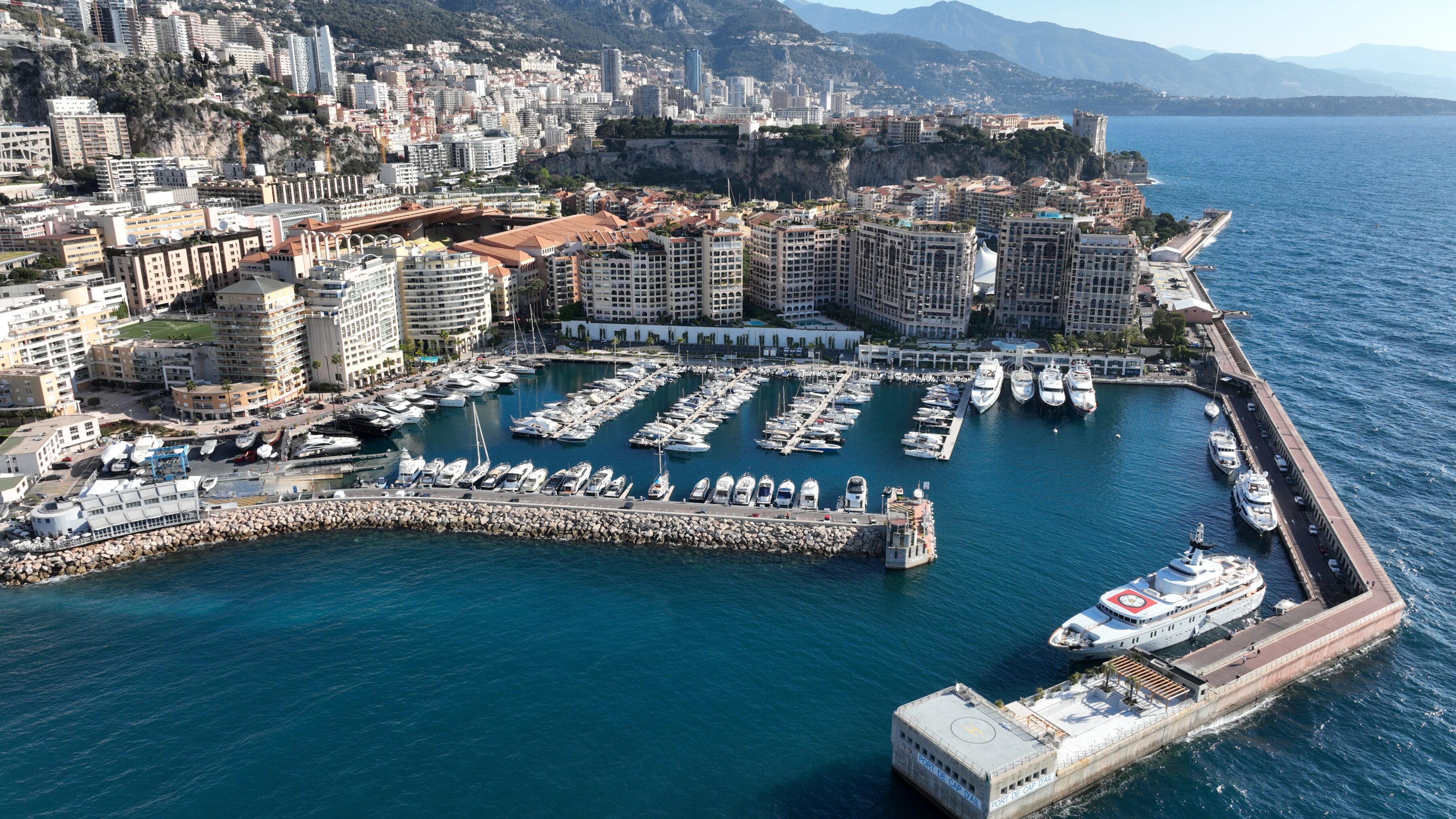
Discover the biodiversity of the Port of Cap d’Ail


The Biohuts of the Port of Cap d'Ail

Do you know the Biohut?

Since 2018, the Port of Cap d'Ail is equipped with 53 Biohuts. This project is part of the NAPPEX
program, which aims to restore marine biodiversity in ports. Through this voluntary approach,
the port of Cap d'Ail aims to promote ecological and environmental practices within ports.


What is a Biohut?

A Biohut is an artificial fish nursery made from 100% recycled and recyclable materials. It simultaneously provides a protected area and a suitable food source (by a module filled with a complex shell-based substrate that facilitates the development of a trophic food chain).

Biohut device attached to a dork:


1. A shelter for juvenile fish

Ports significantly alter the structure of the seabed, reducing natural habitats and shelters for
marine species. By providing shelters, Biohuts contribute to the preservation of heritage species and the renewal of fish populations. In 2025, NAPPEX reports from the Ecocean organization recorded 10 species of juvenile fish. These are strategically distributed throughout the port: fish prefer areas protected from noise pollution, rich in food and well oxygenated, particularly at the entrance to the port and along the quays.

You will find, in french, all the juvenile fish species in the booklet below, as well as a scientific article explaining the distribution and presence of biodiversity within the port:

2. A shelter for mobile aquatic wildlife

In 2025, NAPPEX reports from the Ecocean organization recorded 32 species of mobile aquatic wildlife. They are strategically distributed throughout the port: calm areas sheltered from currents and bad weather, and with an abundant food supply, are preferred by mobile aquatic wildlife.

You will find, in french, all the species of mobile aquatic wildlife in the booklet below, as well as a scientific article explaining the distribution and presence of biodiversity within the port:


The adult biodiversity in the Port

1. Adult fish: visitors or residents?

a. Visitors

Most adult fish species observed in the Port of Cap d’Ail are resident species, meaning they live in the port almost all year round. However, two species are observed during very specific periods.


Yellowmouth barracuda, Sphyraena viridensis

Native species of the Mediterranean

Present in the marina from May to June, this large predatory fish has a long, streamlined body and is commonly known as the barracuda. It hunts alone or in schools near the coast, breakwaters and seagrass meadows. Fast and agile, it mainly feeds on small fish. European barracudas can form perfectly synchronized schools to surround their prey and increase their chances of capture. Together, they are even more effective than when hunting alone.

Gilthead seabream, Sparus aurata

Native species of the Mediterranean

Present in the marina from late September to October, it can be recognized by the golden band between its eyes. It frequents sandy seabeds, Posidonia seagrass meadows and rocky areas, where it feeds on shellfish, crustaceans and other small invertebrates. Its powerful molars allow it to easily crush the shells of mussels, clams and even sea urchins to reach the flesh inside!


b. Residents

The port’s faithful fish are becoming more numerous every year. They are present throughout the year, with varying abundance depending on the season.


You will find, in french, all the adult fish species in the booklet below, as well as a scientific article explaining their distribution and the presence of biodiversity within the port.

You will also find, in french, the species fact sheets for our four heritage fish species. These species hold particular value for the natural heritage of the Mediterranean coastline, and it is important to protect them.

The sessile fauna and flora are also very important for the biodiversity of the Port of Cap d’Ail. We find a protected and endemic coral species, found exclusively in the Mediterranean: the Tufted cauliflower coral (Cladocora caespitosa), shown below. It must therefore be protected!

You will find, in french, all the species of sessile fauna and flora in the booklets below, as well as a scientific article explaining their distribution and the presence of biodiversity within the port:


2. The wings of the port

The port is home not only to underwater species, but also to a variety of bird species! A total of 21 species were recorded by the LPO survey in 2021. An insect hotel has been installed at the entrance to the port. It represents, together with the local terrestrial flora and the juvenile fish in the harbour, a food resource for birds.


Yellow-legged gull

Native species of the Mediterranean

As an opportunistic species, it mainly feeds on fish, crustaceans, molluscs and invertebrates. It has adapted to the availability of human food, so its presence in and around the port directly reflects our habits. Don’t be surprised if it tries to steal your sandwich!

Sardinian warbler

Endemic species of the Mediterranean

Recognizable by its black head, it helps naturally regulate insect populations by feeding on them. Noisy and feisty, it behaves aggressively towards those who cross the boundaries of its territory. The Sardinian warbler is highly active. Its small size certainly doesn’t hold it back!

House sparrow

Native species of the Mediterranean

Known to everyone, the House Sparrow plays an essential role in local biodiversity. Sparrows take dust baths! By rolling around in sand, they clean their feathers and get rid of parasites…

Common blackbird

Native species of the Mediterranean

It helps regulate insect populations and disperse seeds, thereby promoting the regeneration of vegetation. In addition to its own melodious song, it can imitate the sounds of other birds and sometimes even noises from its surroundings, such as an alarm or ringtone!


Insect hotel installed in 2022, providing a food source for birds:


Raising awareness of biodiversity at the Port of Cap d’Ail

1. A Biodiversity Trail Has Been Installed

As part of its Port Environmental Management approach, Cap d’Ail Port decided to introduce an educational trail focused on the site’s biodiversity in 2026. The trail has been installed along the East Quay (also known as Quai des Princes), where you will find signs on the ground! Designed for both children and adults, the trail offers a fun and educational way to discover howt he Port of Cap d’Ail ecosystem works and why adopting the right practices is essential to preserving it.


2. Raising Awareness of the Pelagos Sanctuary

The Pelagos Sanctuary, which extends across the Port of Cap d’Ail, is a transboundary agreement between France, Monaco and Italy aimed at implementing coordinated and harmonized actions to protect marine mammals and their habitats. Species found there include dolphins, sperm whales, and many others.


Play Video


Everyone can help protect them by adopting a few simple actions:


> reduce speed when marine mammals are present

> limit waste discharge into the sea

> respect observation distances (at least 100 m away)

> adopt responsible boating practices


There are tools available to better understand and comply with maritime regulations:

  • LittoMap NCA is a website designed to simplify understanding of maritime regulations in our area. It is available in French and English.
  • Donia allows you to view maps of the seabed (Posidonia seagrass, sand, rock, etc.) and locate yourself using geolocation. It covers the entire French coastline and is available only in French.
  • Nav & Co allows you to check maritime regulations in real time and use geolocation. It covers the entire French coastline and is available only in French.


Our Environmental Approach


1. Good Practices

The Port of Cap d’Ail is located on the border of the Cap Ferrat Natura 2000 site and the Cap d’Ail Fishing Reserve.


The aim is to reconcile the conservation of natural resources with the continuation of human activities.


You CAN help us by adopting the following actions now:

Why is it important to be careful when maintaining your boat?

The hazardous chemicals used to clean and maintain boats can cause serious damage to marine ecosystems.
These substances can:

  • Contaminate the water: Cleaning products, paints and solvents can pollute the water, affecting water quality and endangering marine life.
  • Harm marine life: Toxic products can kill aquatic plants and animals, disrupting the natural balance of ecosystems.
  • Accumulate in the food chain: Chemicals can accumulate in marine organisms and eventually end up on our plates, posing a risk to human health.


Please note: fishing is prohibited in the marina. Article R5333-24 of the French Transport Code prohibits fishing in port areas, while Article L.945-4 of the French Rural and Maritime Fishing Code states that:

Fishing without authorization or in a prohibited area may result in a fine of up to €22,500, with confiscation of the equipment used.

Environmental code of pratice

2. Port Clean-Up

Since 2020, every October, the Cap d’Ail Marina Port Authority organizes a clean-up of the port seabed by collecting human-generated waste. For this operation, the Port Authority relies on the support of the Bleu Gorgone association, the ASPTT Nice club – “Freediving Sport Fishing” section – and professional divers from underwater works companies. The Bleu Gorgone and ASPTT Nice freediving sport fishing associations participate as part of their sporting activities and environmental awareness initiatives for their members. The companies SMD and AZURSCAPH, specialized in port works and equipped with the necessary lifting equipment, are responsible for recovering bulky waste.

In 2026, the port decided to involve a new environmental partner in this initiative: Surfrider. The organization has developed a waste collection program called Retrace!, which quantifies waste found on beaches and along waterways, helping Surfrider Foundation Europe understand and address the issue of aquatic waste at its source.

2024

On Saturday, October 5th, a new operation for pollution removal and cleaning of the seabed was organized at the Cap d'Ail marina. We took action to protect our environment and preserve our marine heritage.

2023

On Saturday, October 7th, a new operation for depollution and cleaning of the seabed was organized at the Cap d’Ail marina. We acted to protect our environment and preserve our marine heritage.

2021

Video of the seabed clean-up operation of 23 October 2021