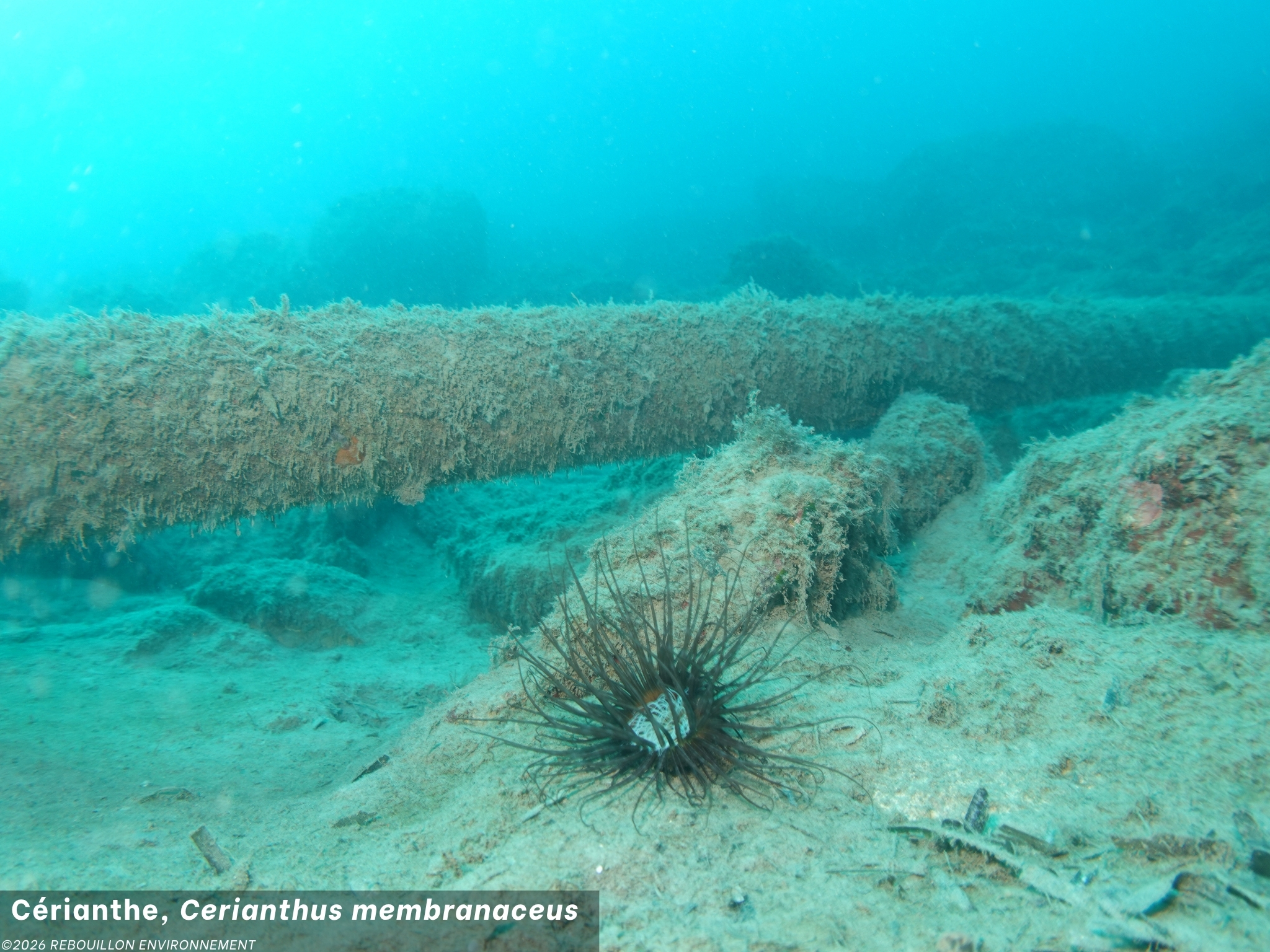
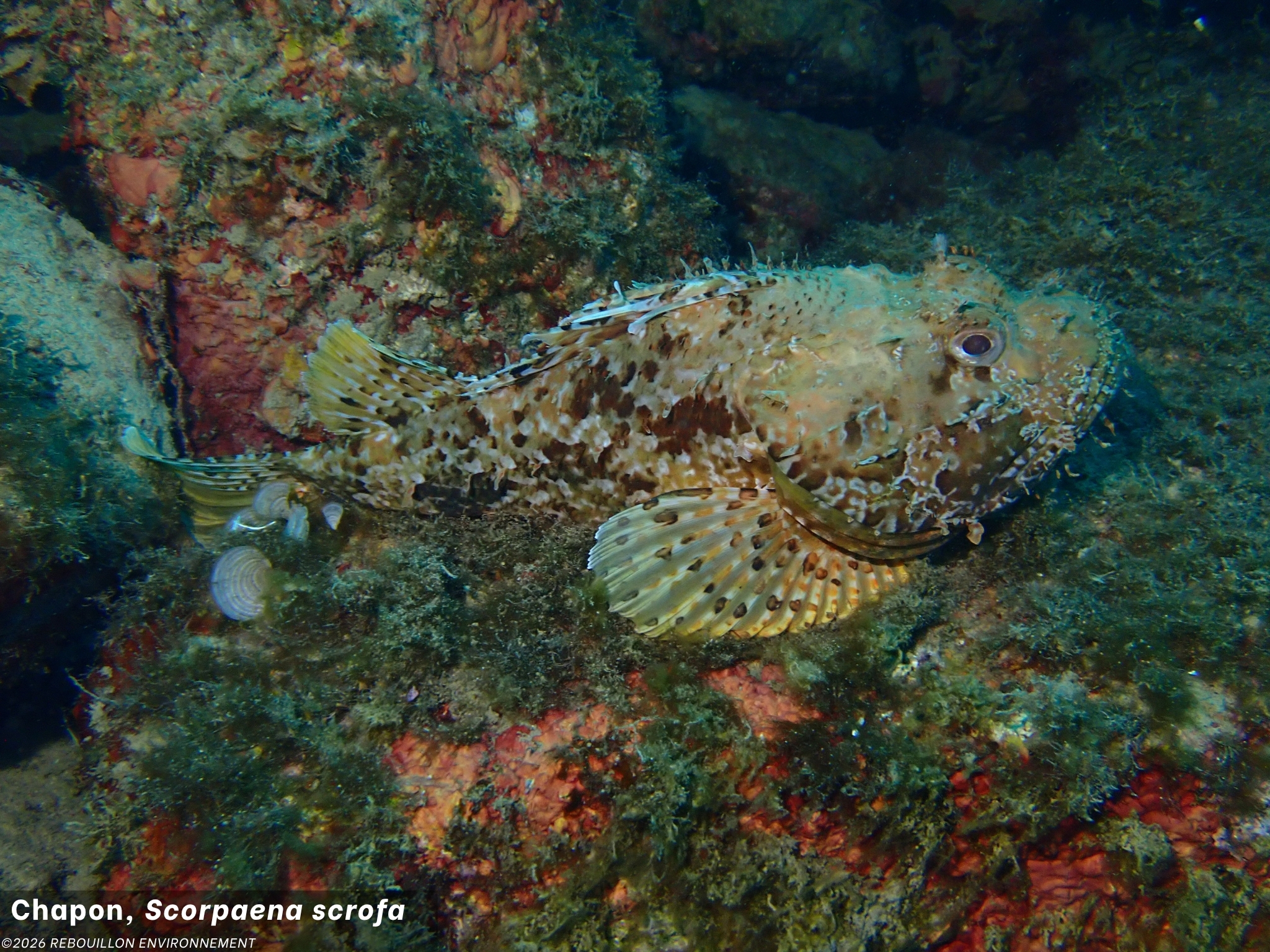
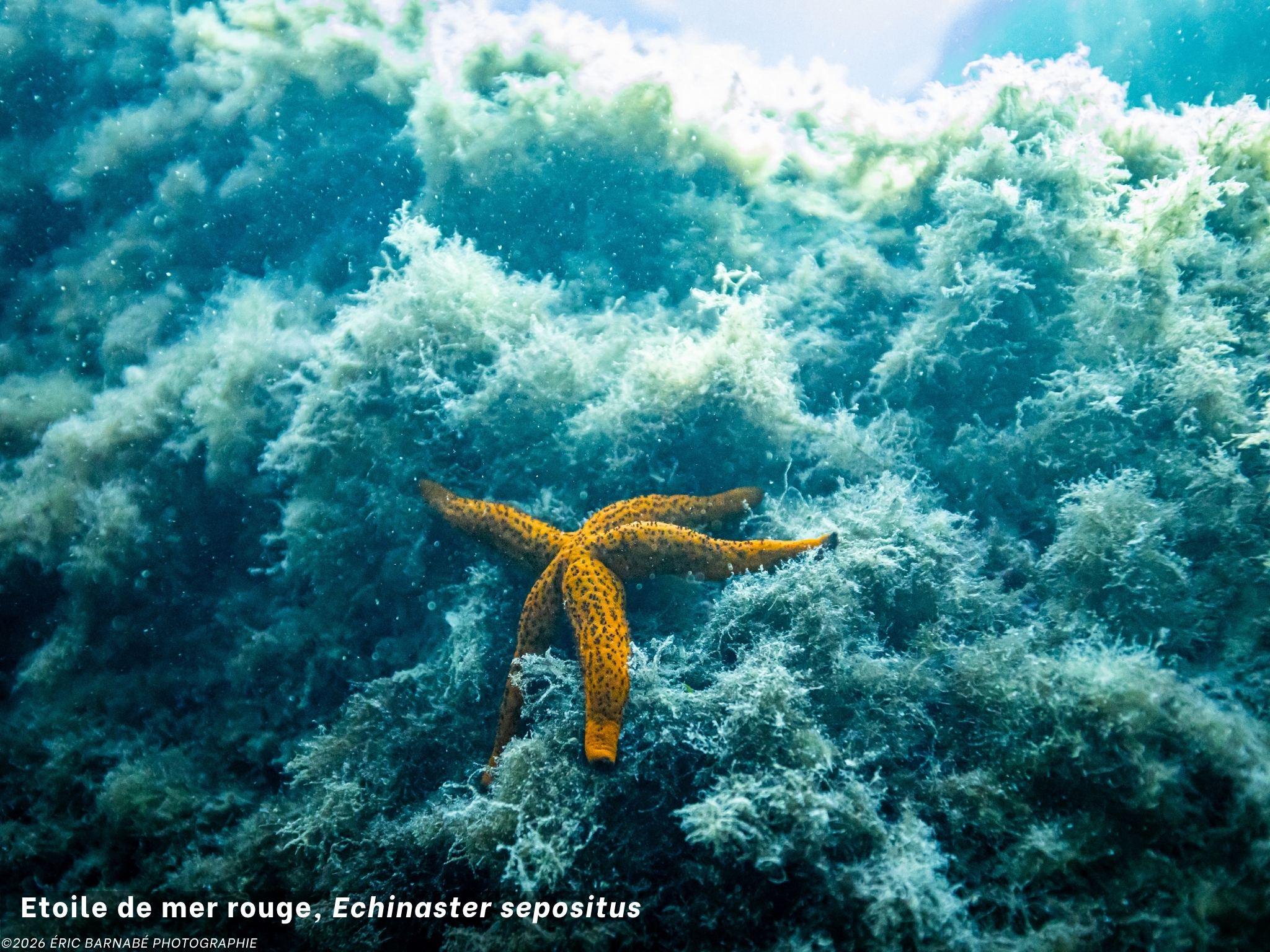
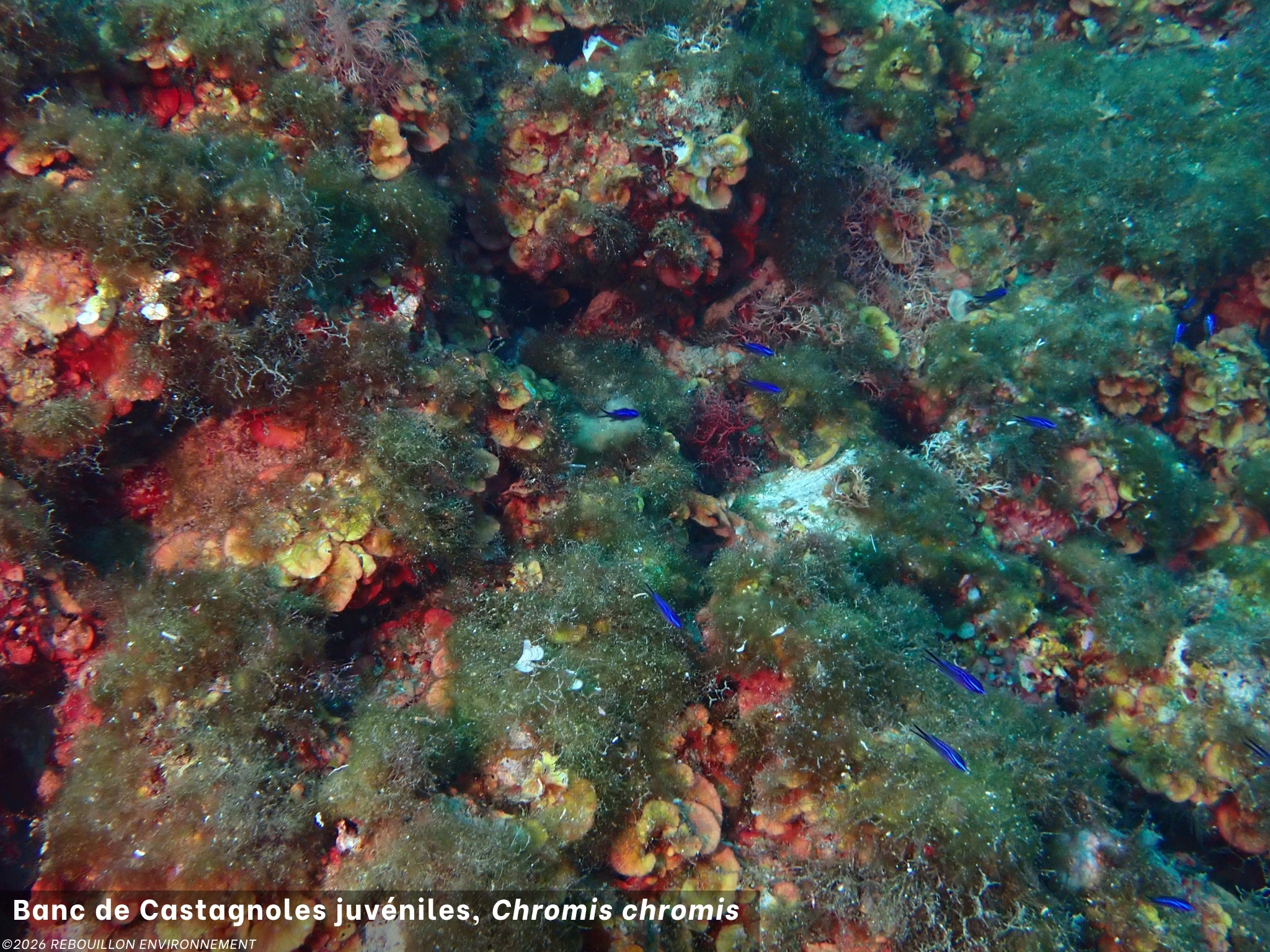
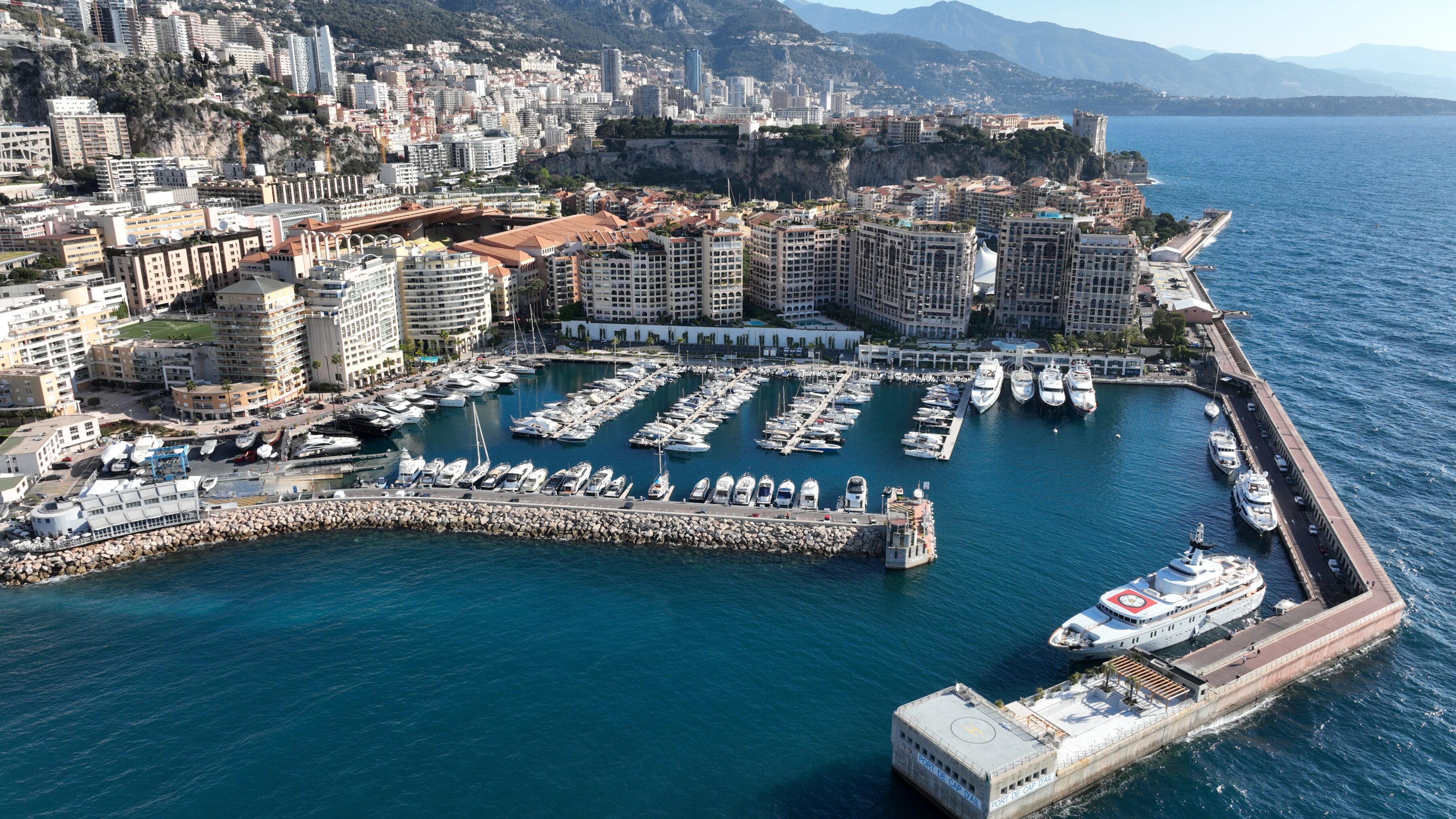
Discover the biodiversity of the Port of Cap d’Ail


The Biohuts of the Port of Cap d'Ail

Do you know the Biohut?

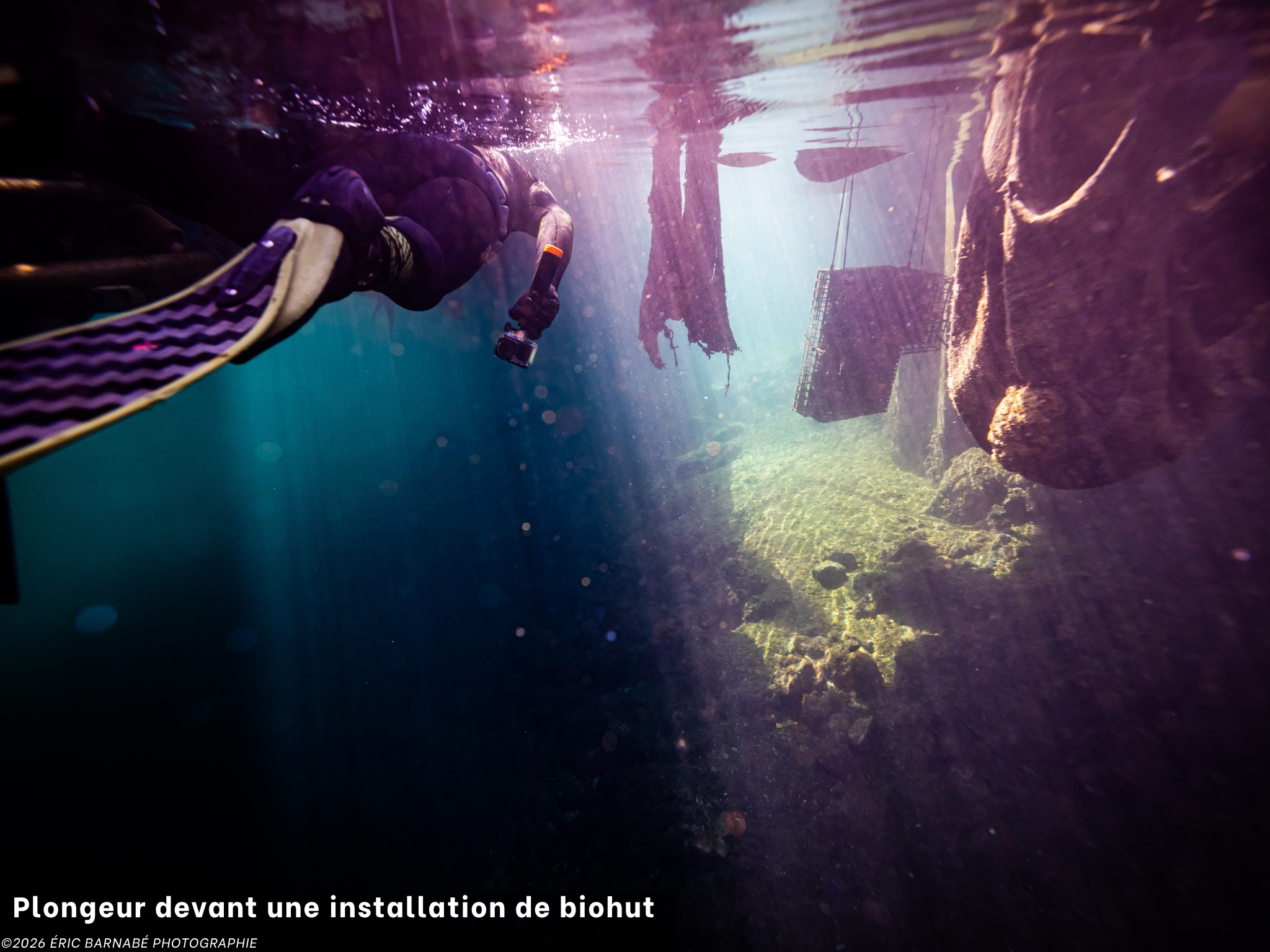
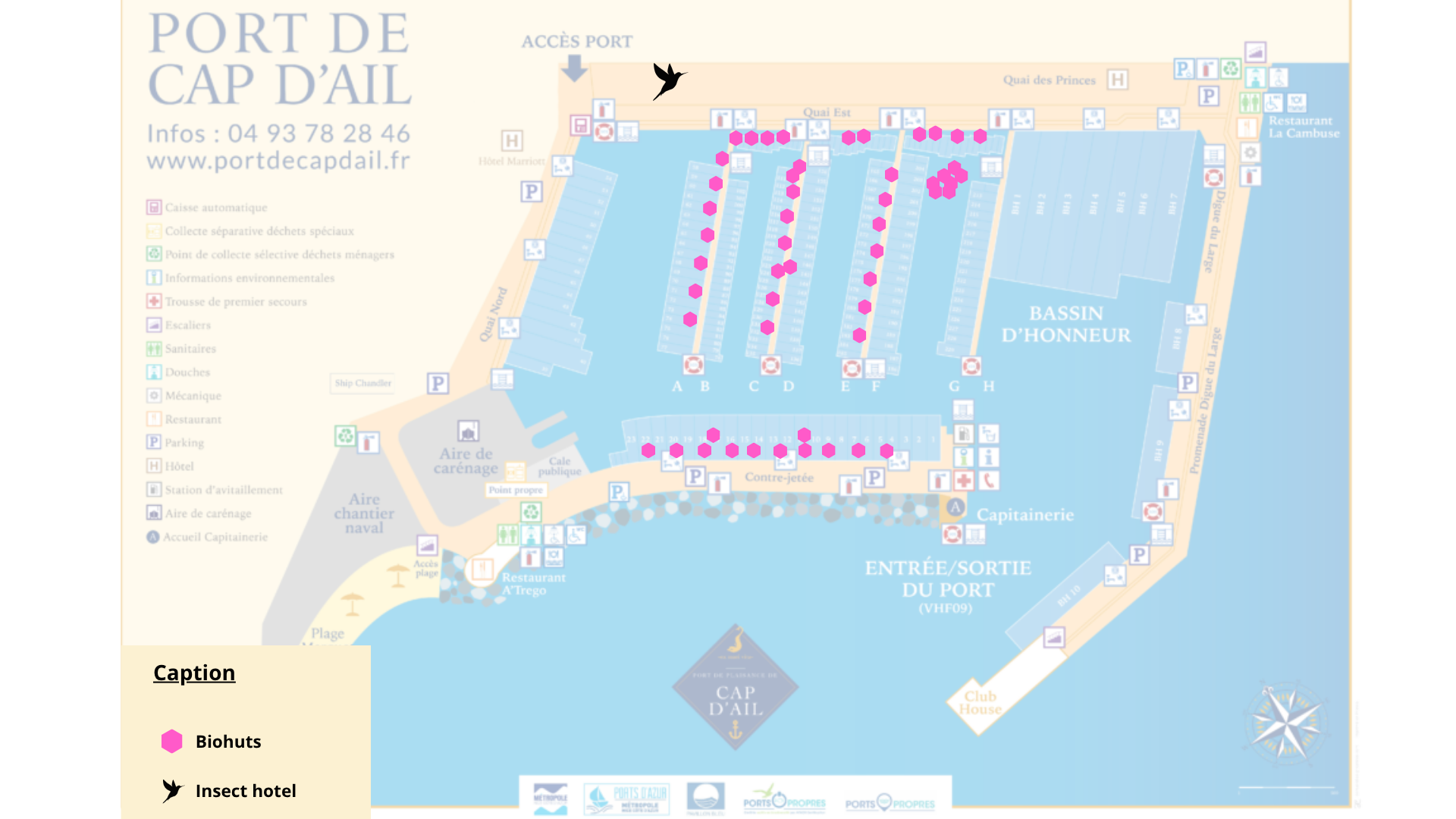
Since 2018, the Port of Cap d'Ail is equipped with 53 Biohuts. This project is part of the NAPPEX
program, which aims to restore marine biodiversity in ports. Through this voluntary approach,
the port of Cap d'Ail aims to promote ecological and environmental practices within ports.


What is a Biohut?

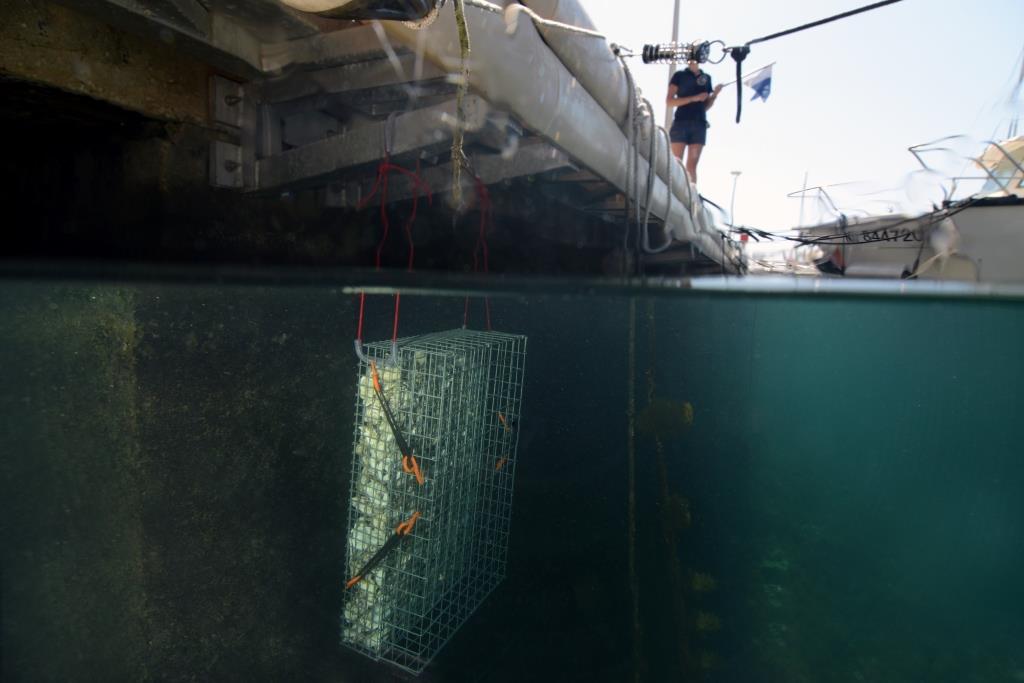
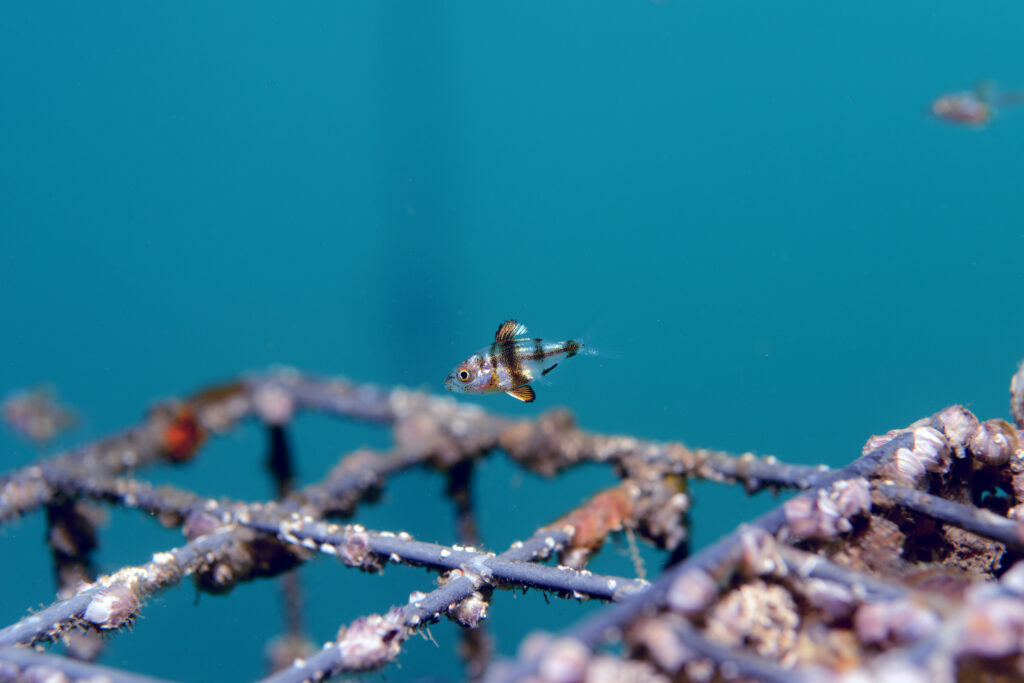
A Biohut is an artificial fish nursery made from 100% recycled and recyclable materials. It simultaneously provides a protected area and a suitable food source (by a module filled with a complex shell-based substrate that facilitates the development of a trophic food chain).

Biohut device attached to a dork:


1. A shelter for juvenile fish

Ports significantly alter the structure of the seabed, reducing natural habitats and shelters for
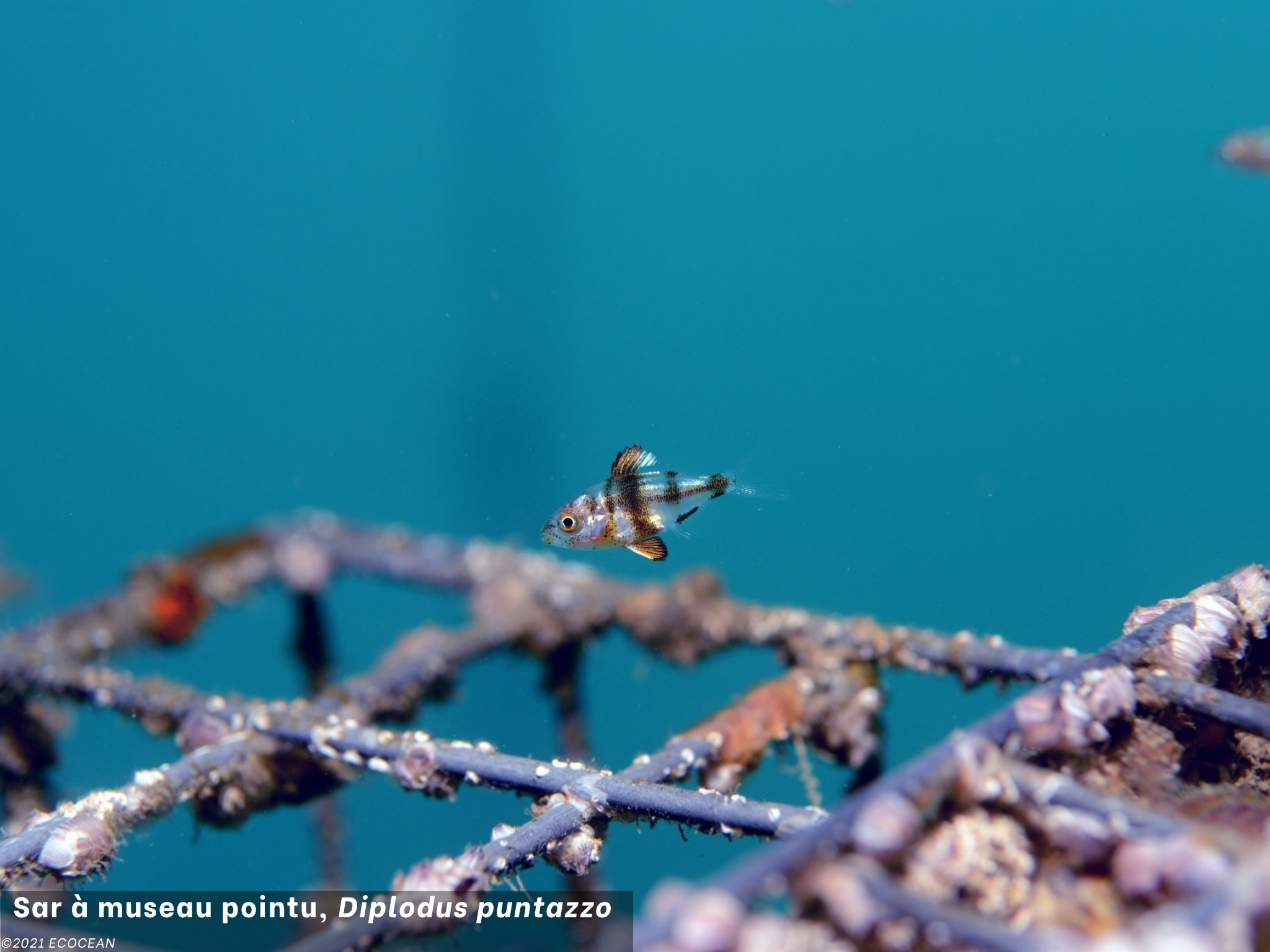
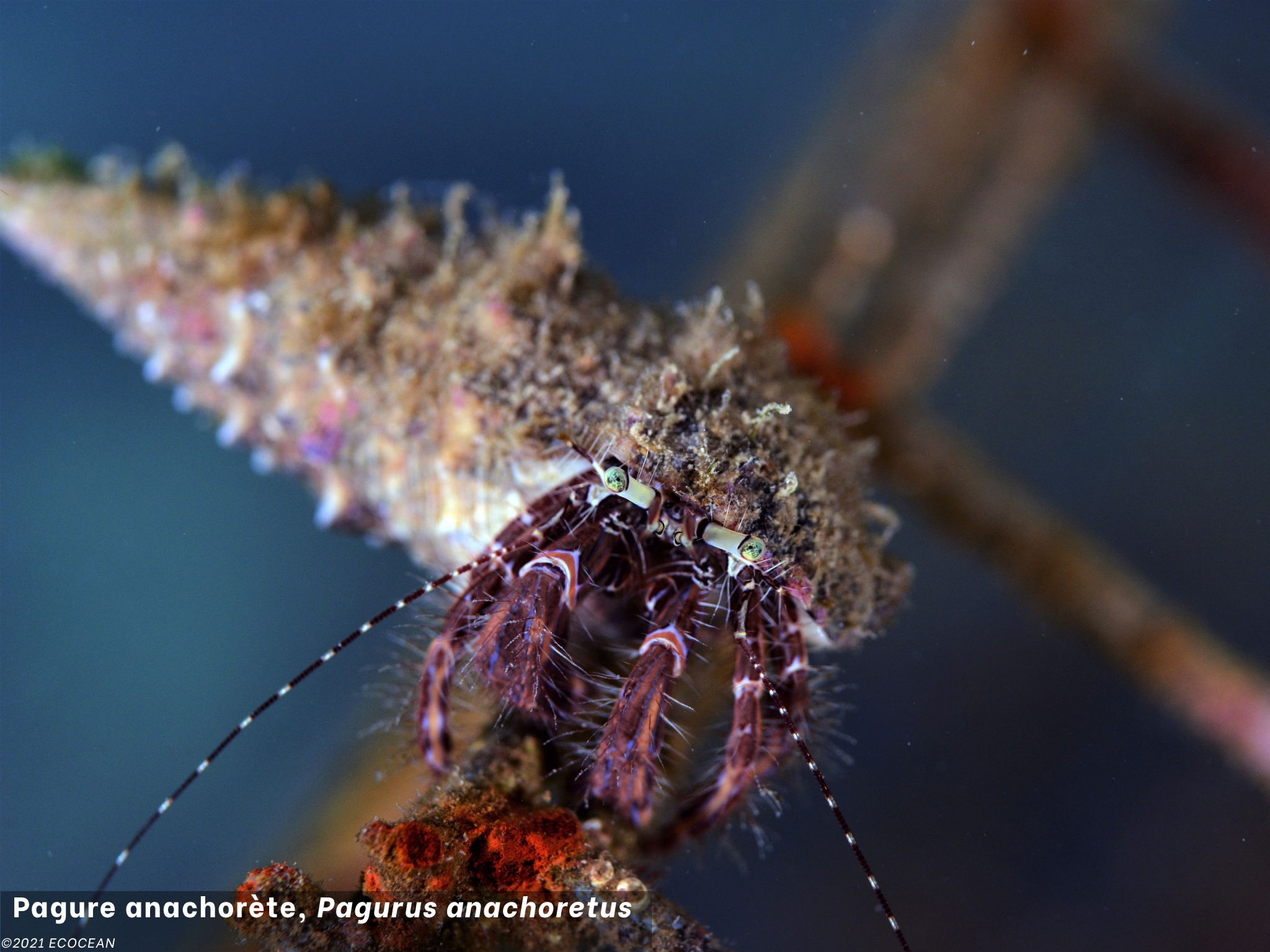
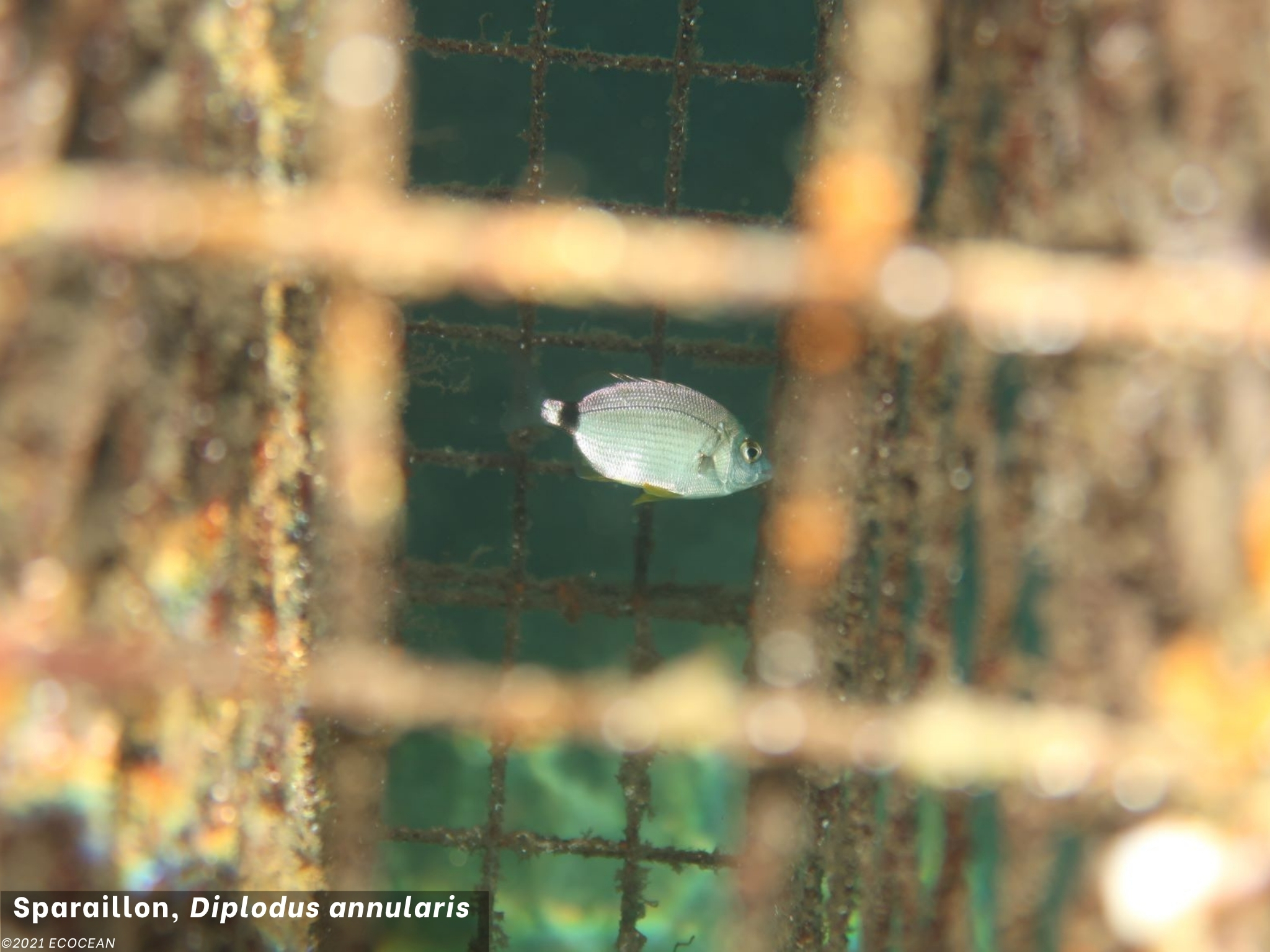
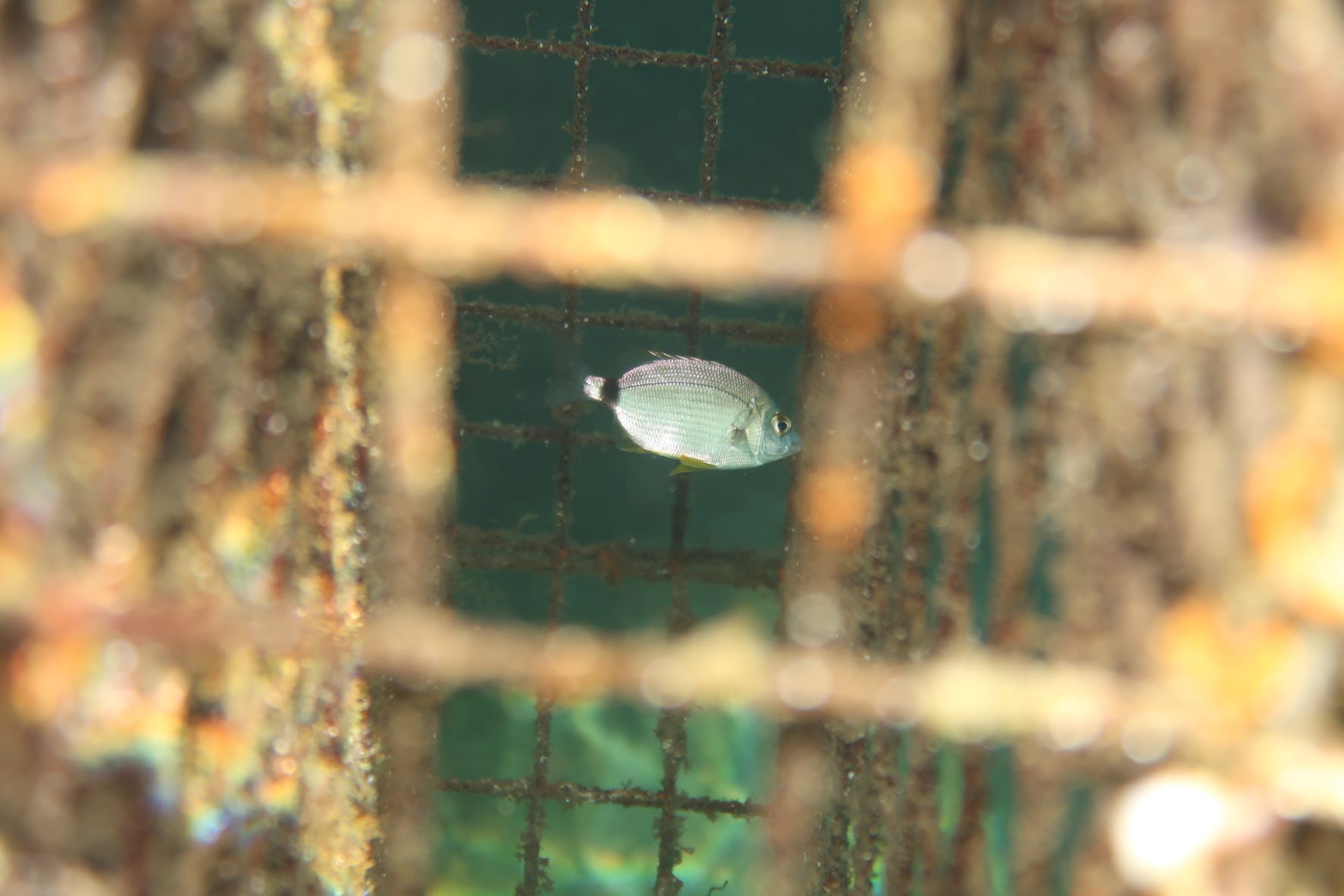
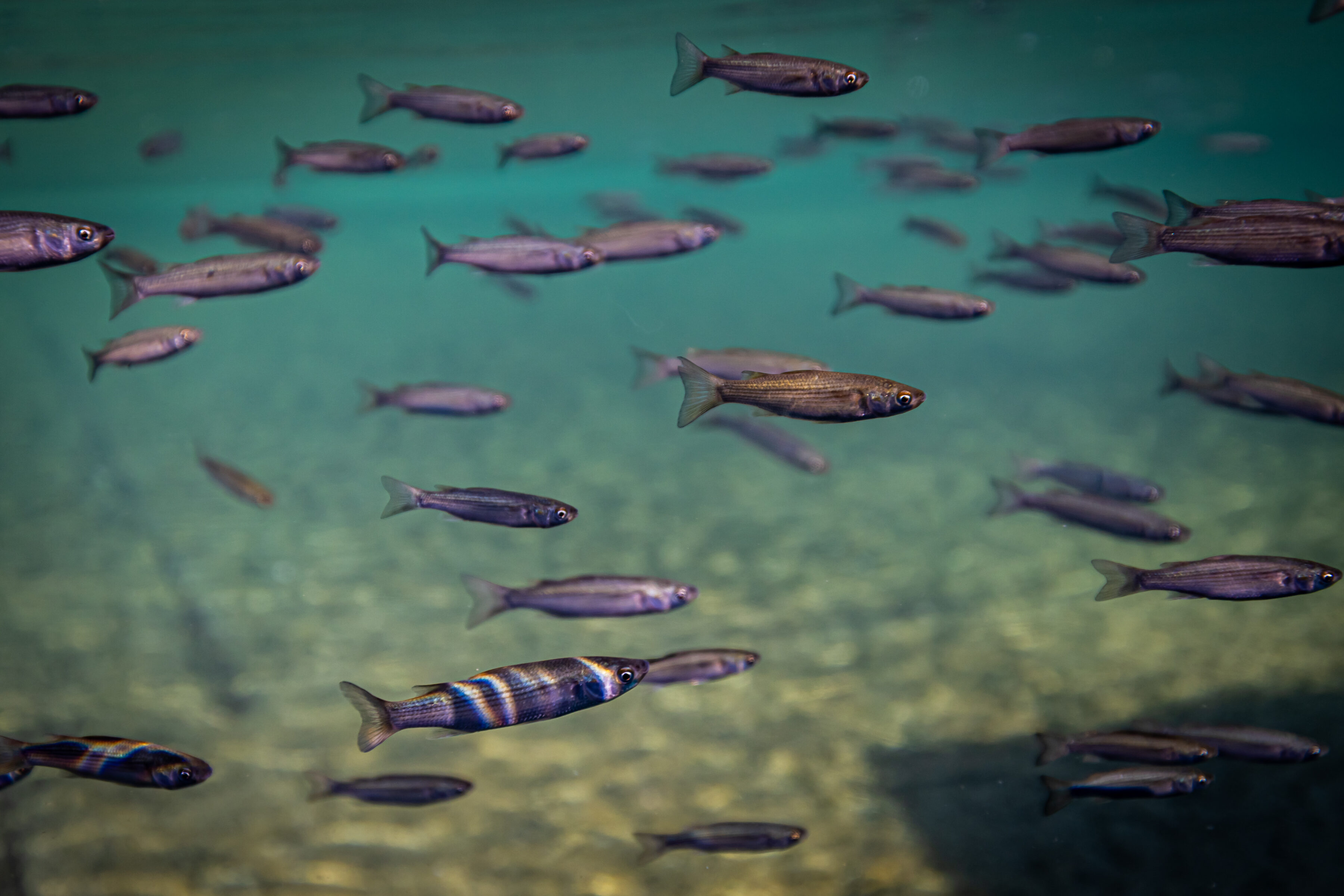
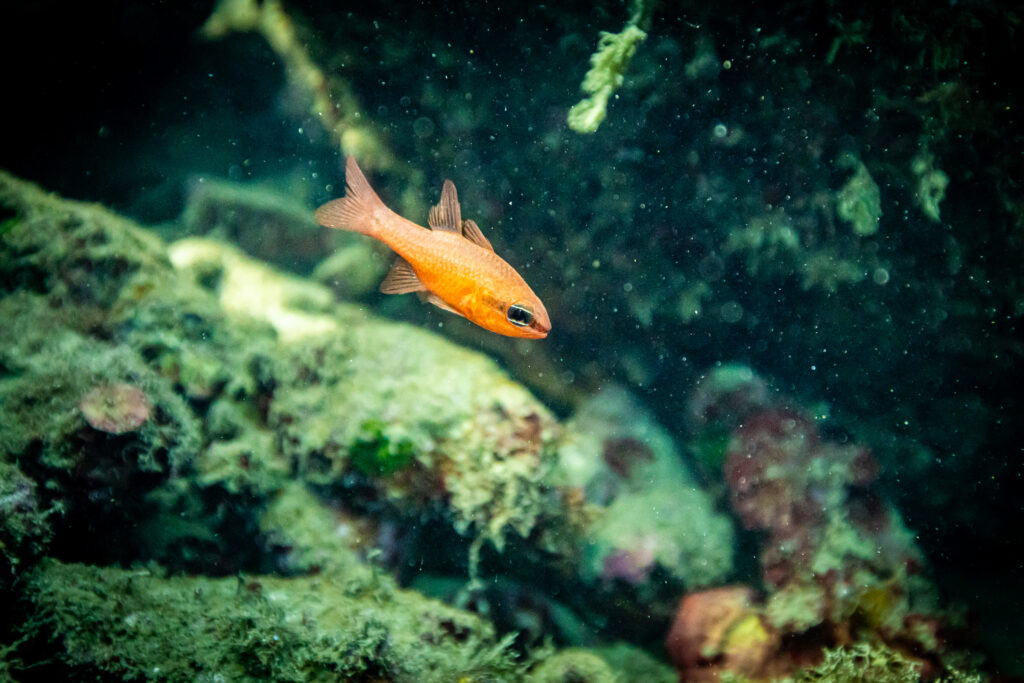
marine species. By providing shelters, Biohuts contribute to the preservation of heritage species and the renewal of fish populations. In 2025, NAPPEX reports from the Ecocean organization recorded 10 species of juvenile fish. These are strategically distributed throughout the port: fish prefer areas protected from noise pollution, rich in food and well oxygenated, particularly at the entrance to the port and along the quays.
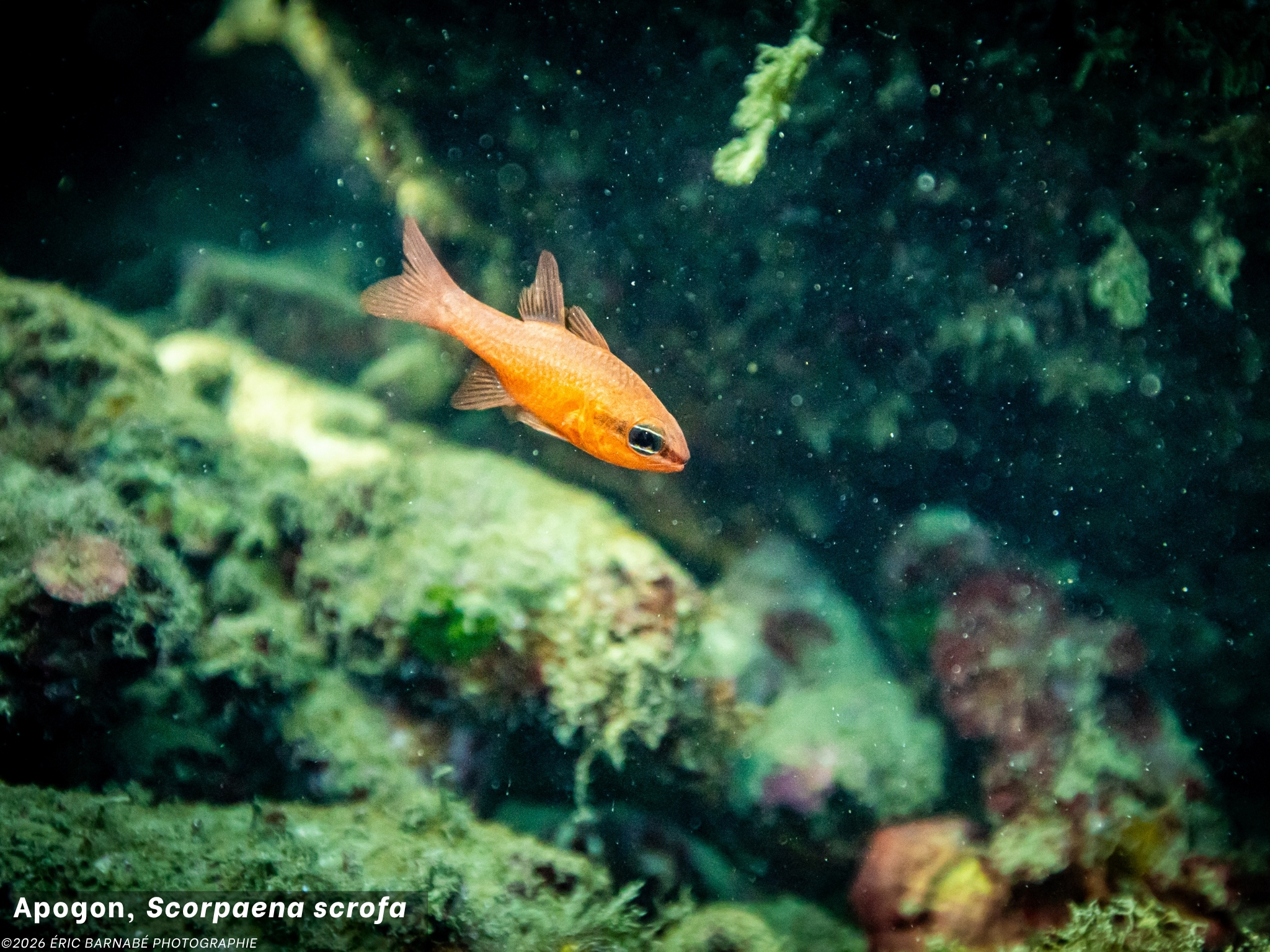
You will find, in french, all the juvenile fish species in the booklet below, as well as a scientific article explaining the distribution and presence of biodiversity within the port:

2. A shelter for mobile aquatic wildlife

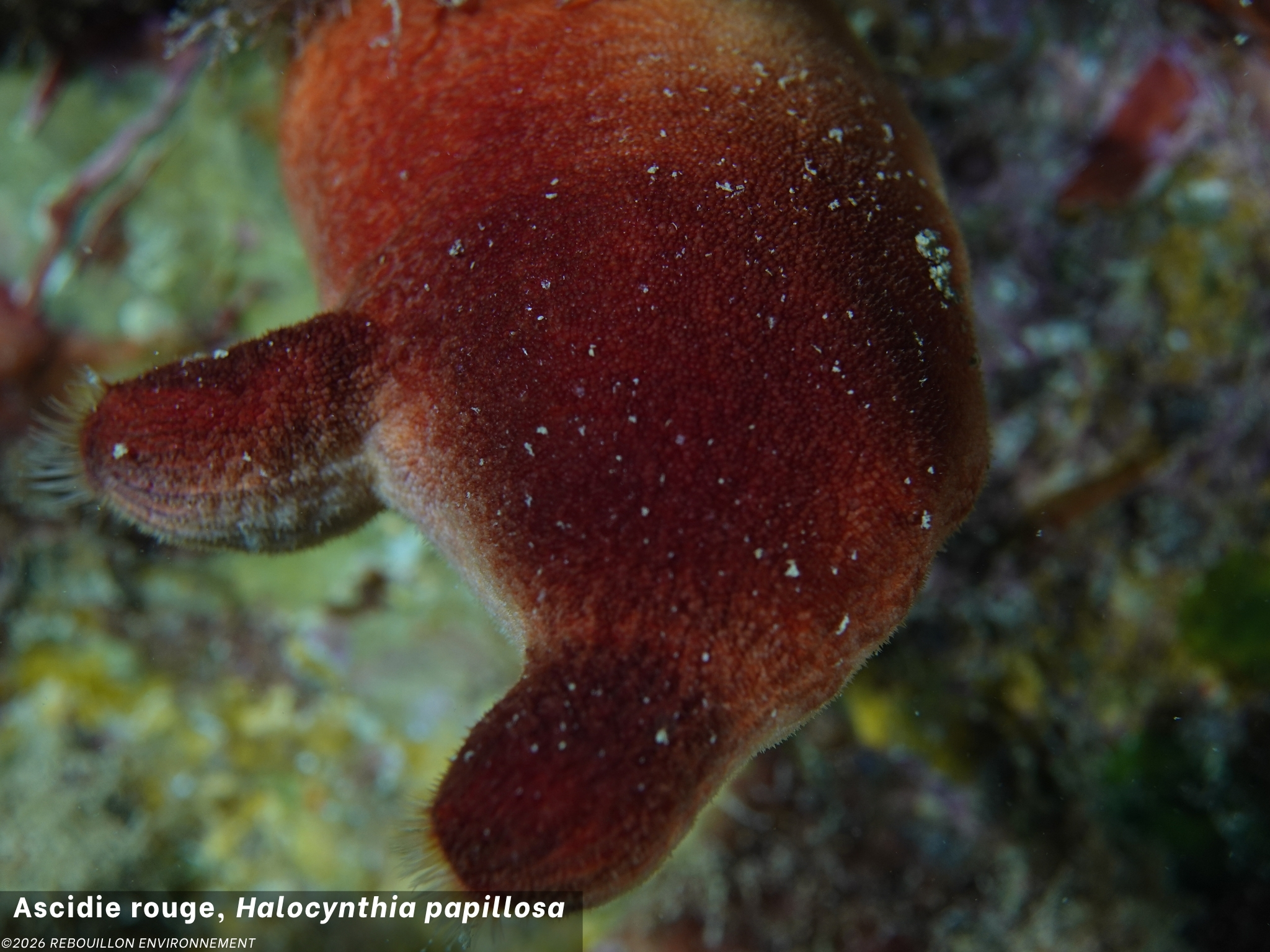
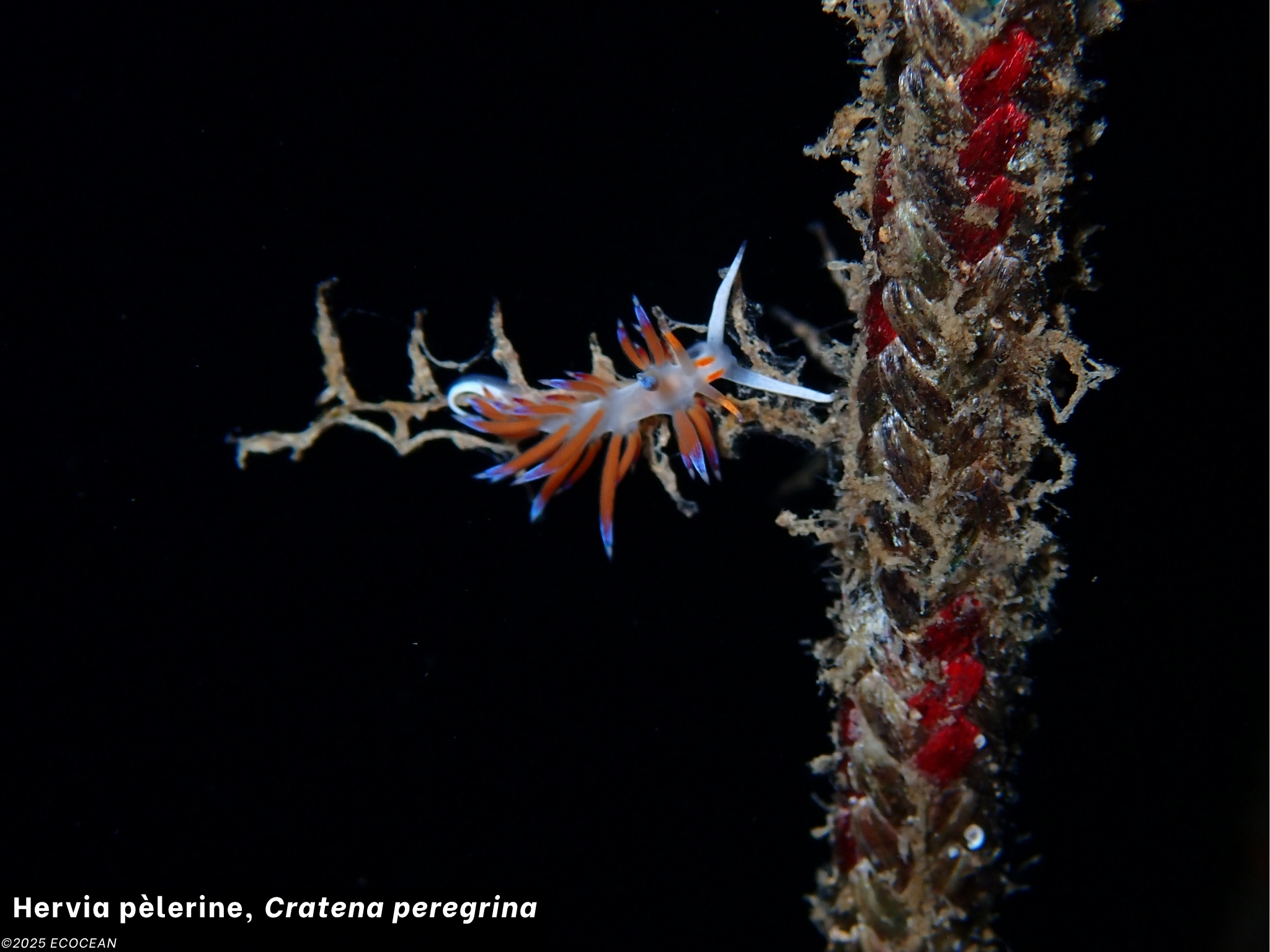
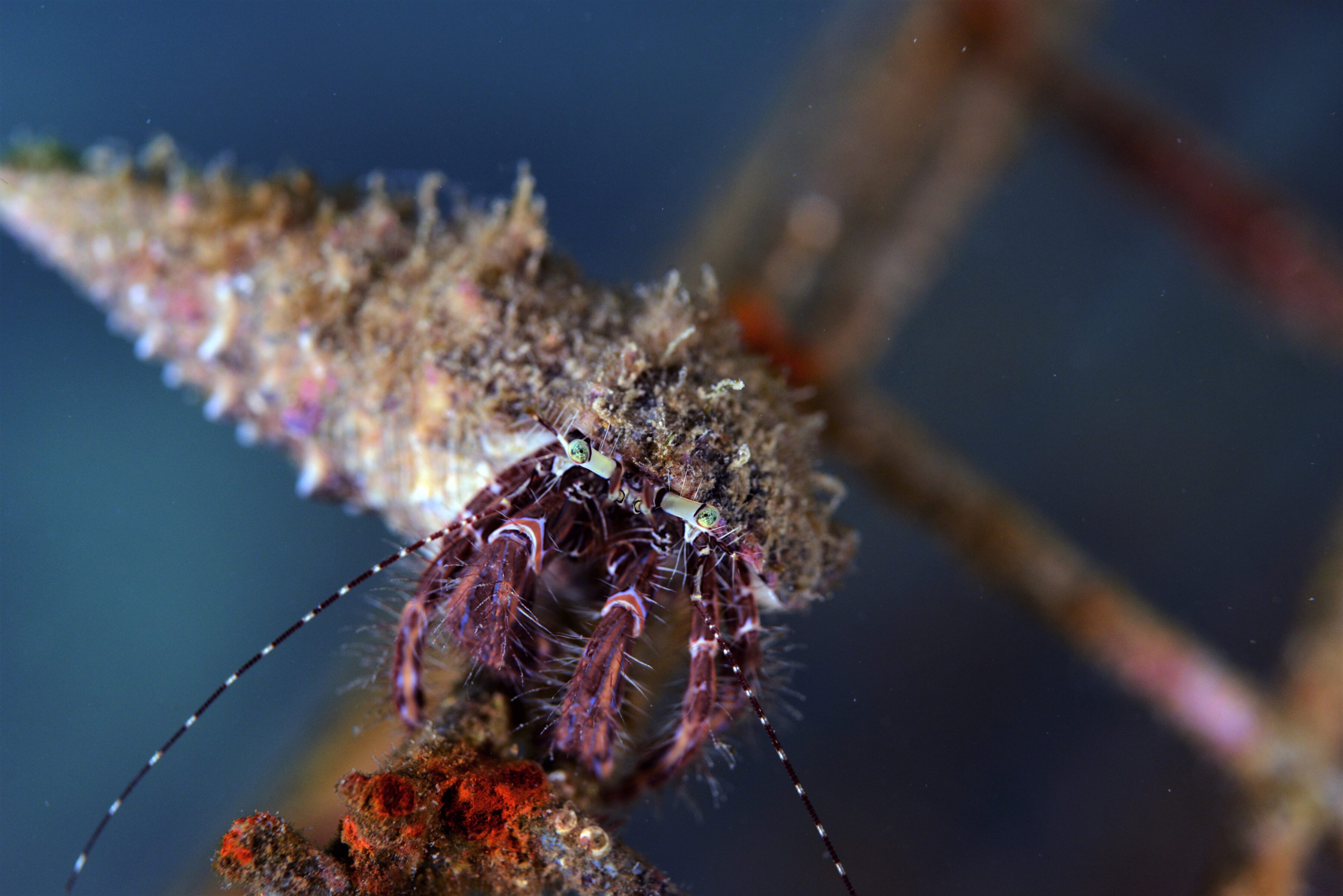
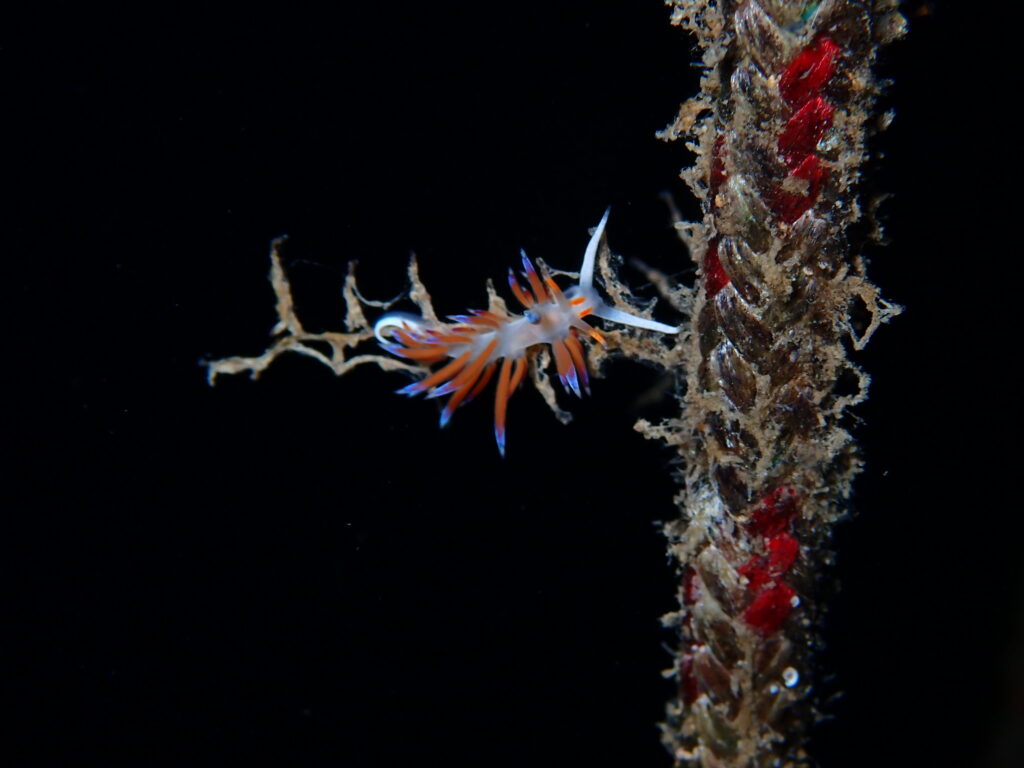
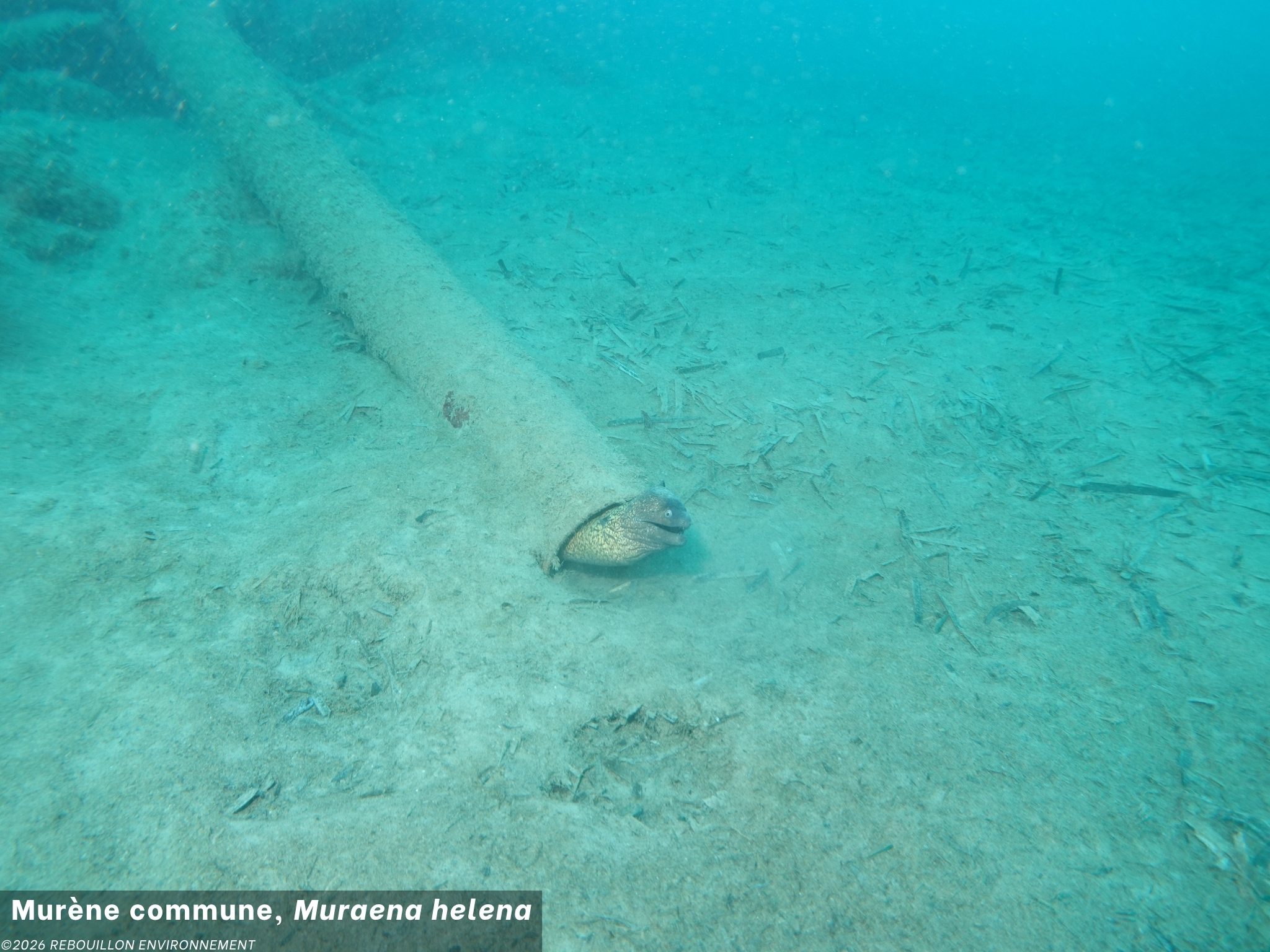
In 2025, NAPPEX reports from the Ecocean organization recorded 32 species of mobile aquatic wildlife. They are strategically distributed throughout the port: calm areas sheltered from currents and bad weather, and with an abundant food supply, are preferred by mobile aquatic wildlife.

You will find, in french, all the species of mobile aquatic wildlife in the booklet below, as well as a scientific article explaining the distribution and presence of biodiversity within the port:


The adult biodiversity in the Port

1. Adult fish: visitors or residents?

a. Visitors

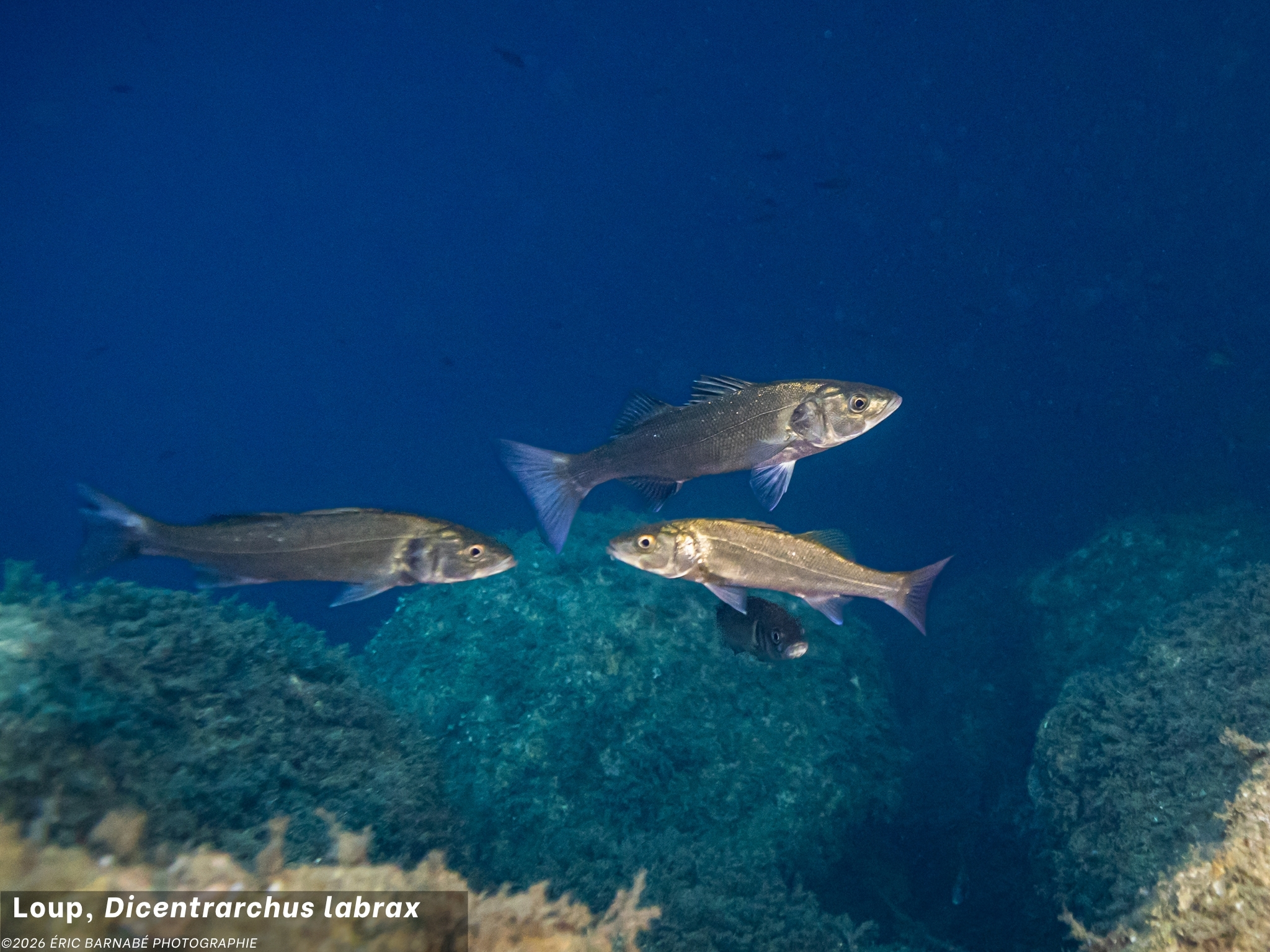
Most adult fish species observed in the Port of Cap d’Ail are resident species, meaning they live in the port almost all year round. However, two species are observed during very specific periods.

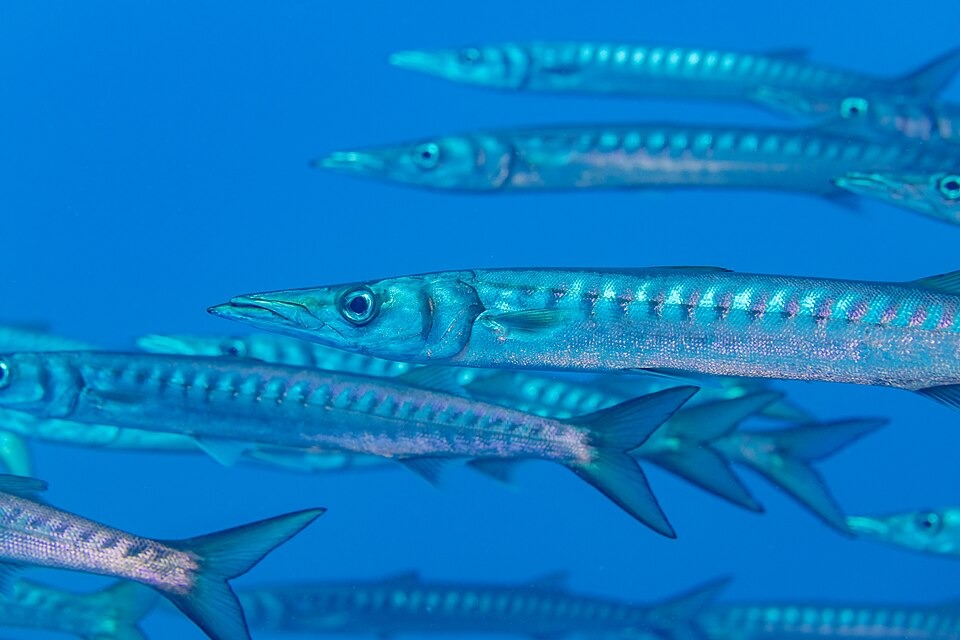
Yellowmouth barracuda, Sphyraena viridensis

Native species of the Mediterranean

Present in the marina from May to June, this large predatory fish has a long, streamlined body and is commonly known as the barracuda. It hunts alone or in schools near the coast, breakwaters and seagrass meadows. Fast and agile, it mainly feeds on small fish. European barracudas can form perfectly synchronized schools to surround their prey and increase their chances of capture. Together, they are even more effective than when hunting alone.
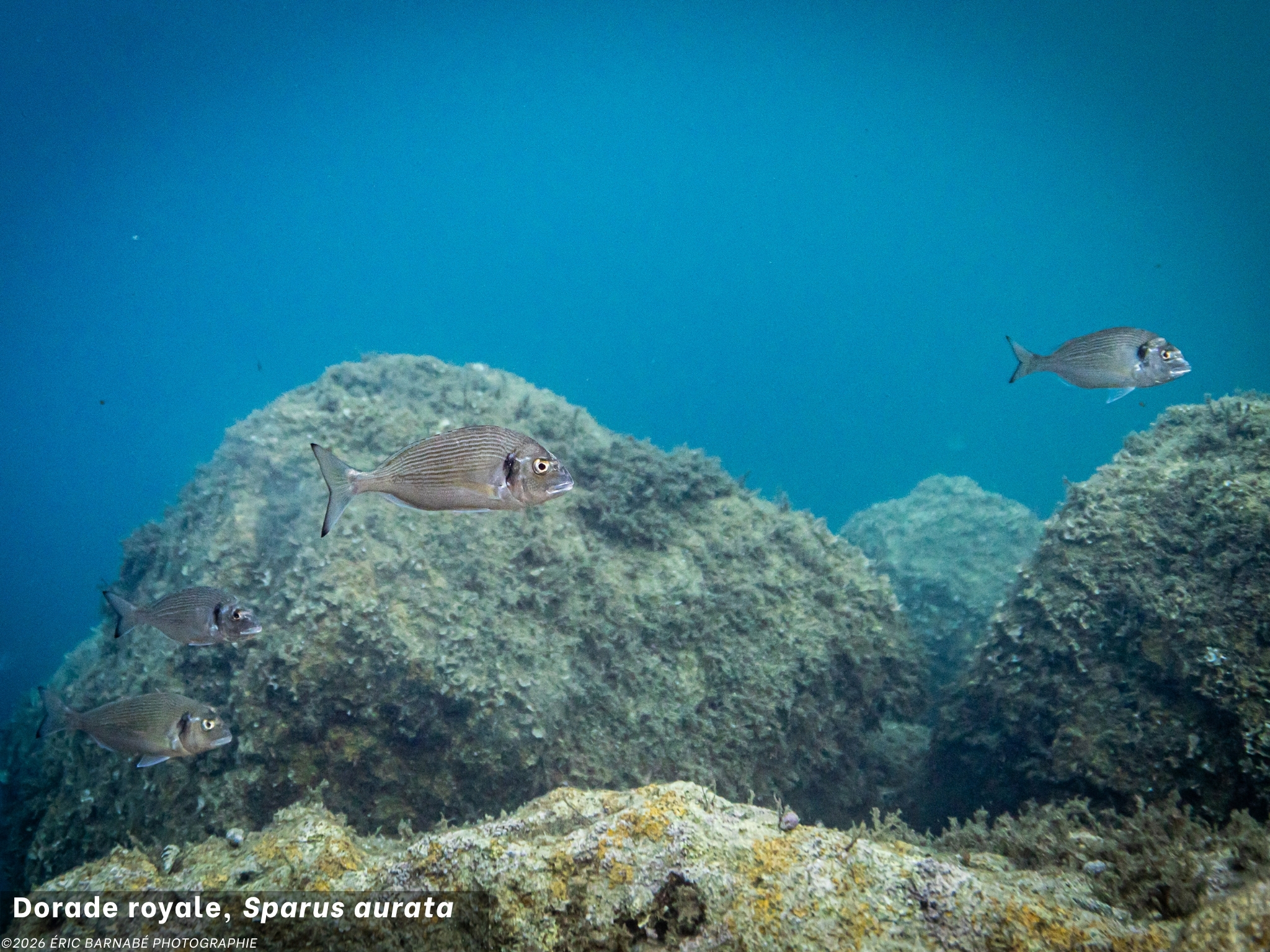
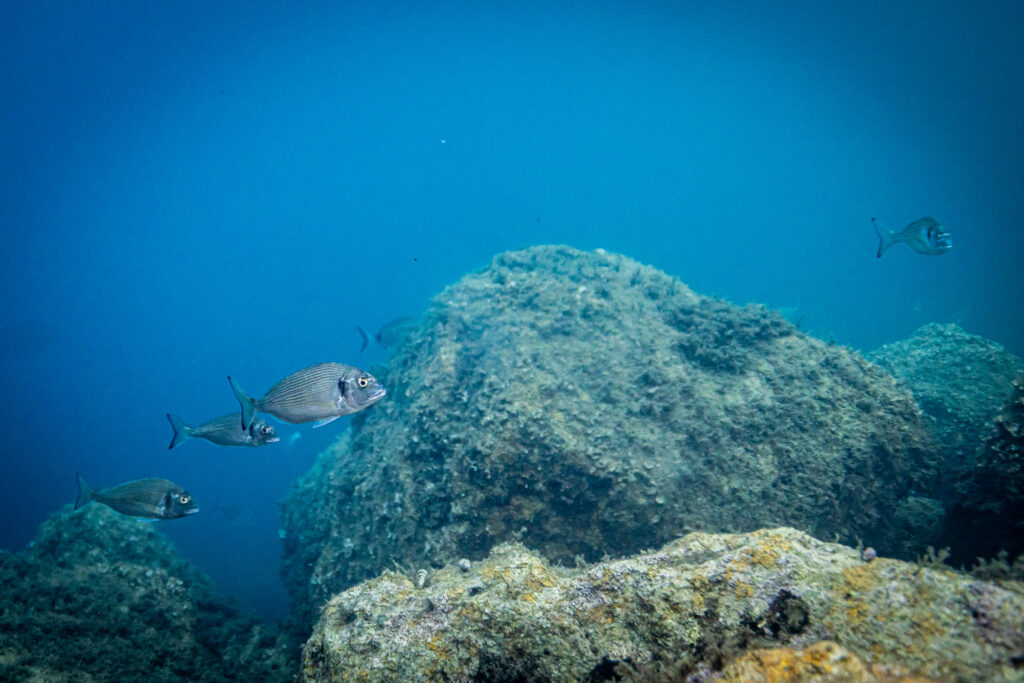
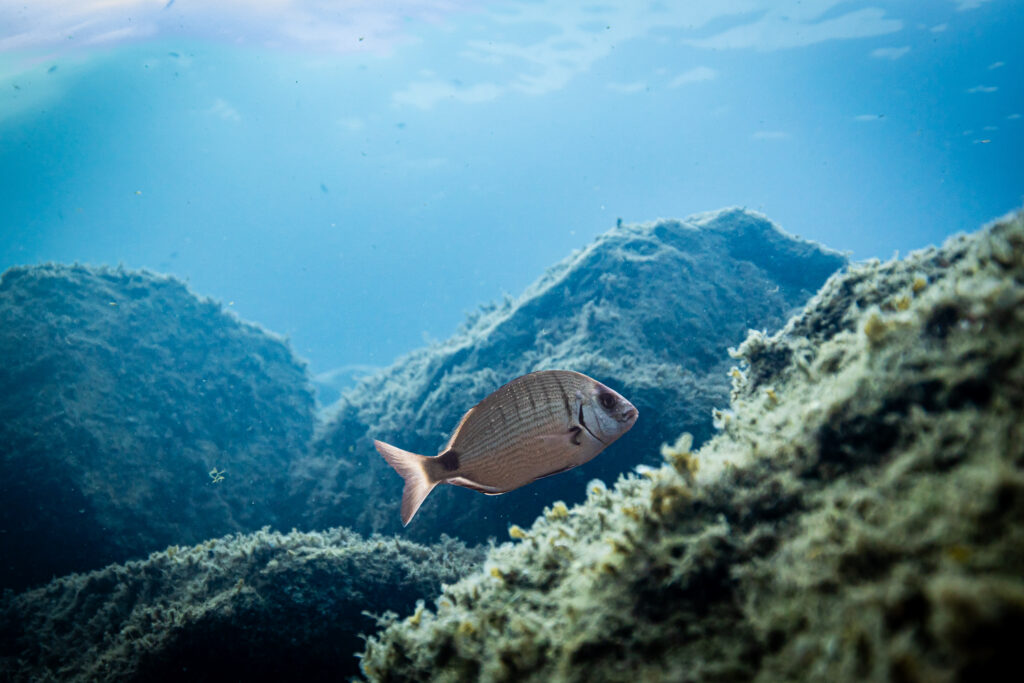
Gilthead seabream, Sparus aurata

Native species of the Mediterranean

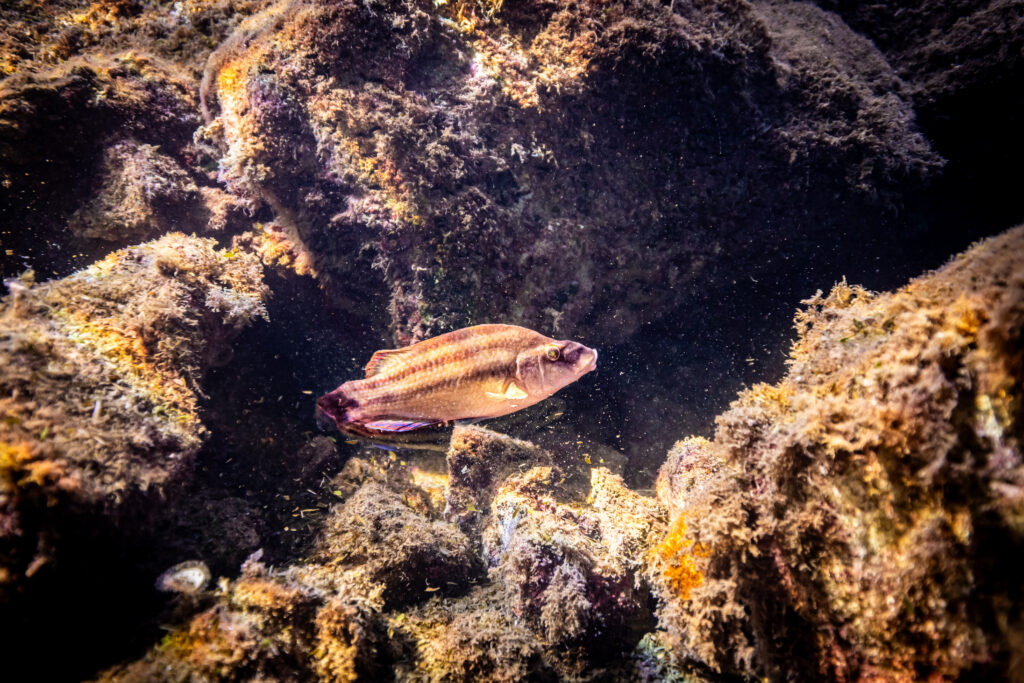
Present in the marina from late September to October, it can be recognized by the golden band between its eyes. It frequents sandy seabeds, Posidonia seagrass meadows and rocky areas, where it feeds on shellfish, crustaceans and other small invertebrates. Its powerful molars allow it to easily crush the shells of mussels, clams and even sea urchins to reach the flesh inside!


b. Residents

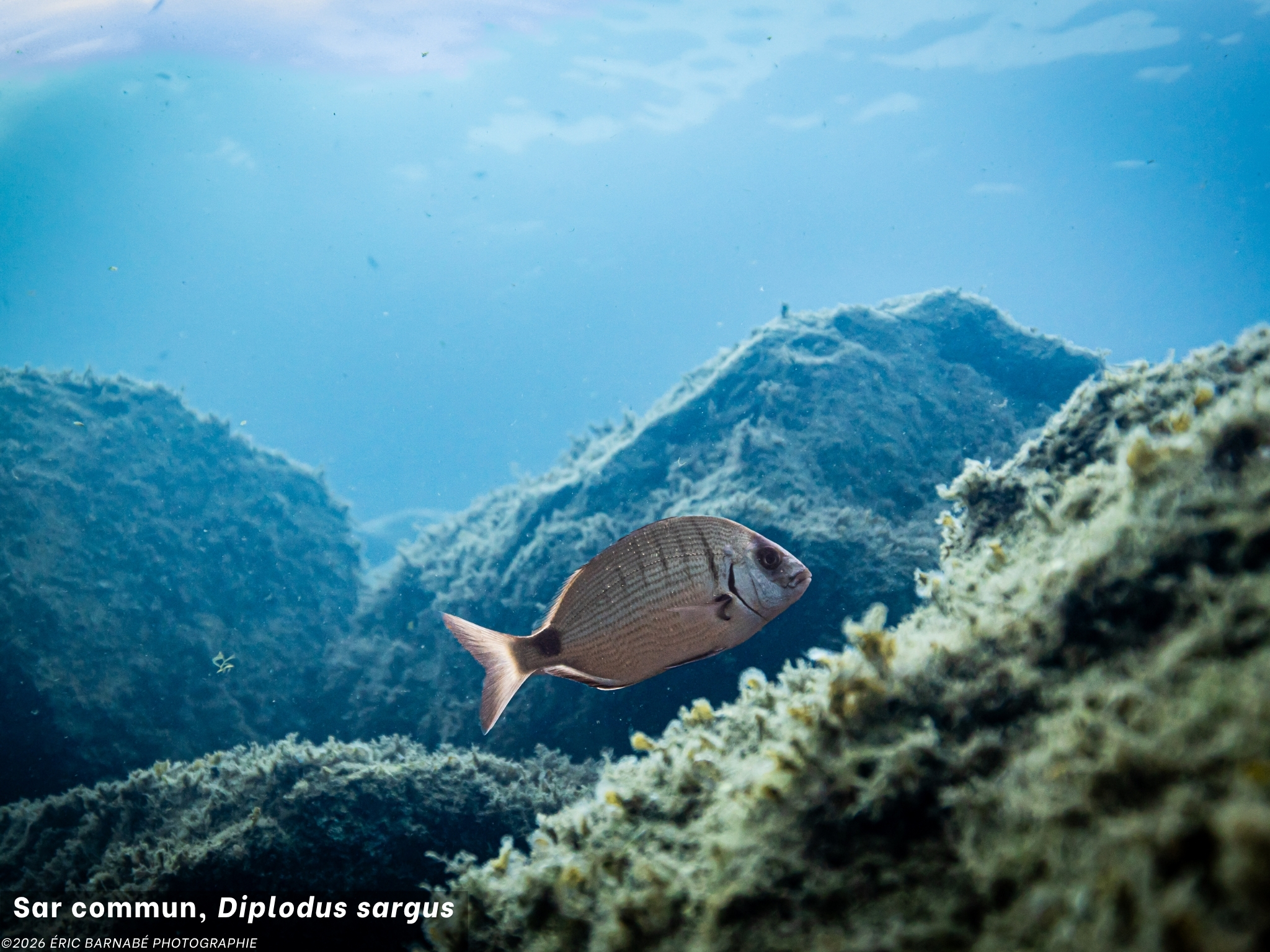
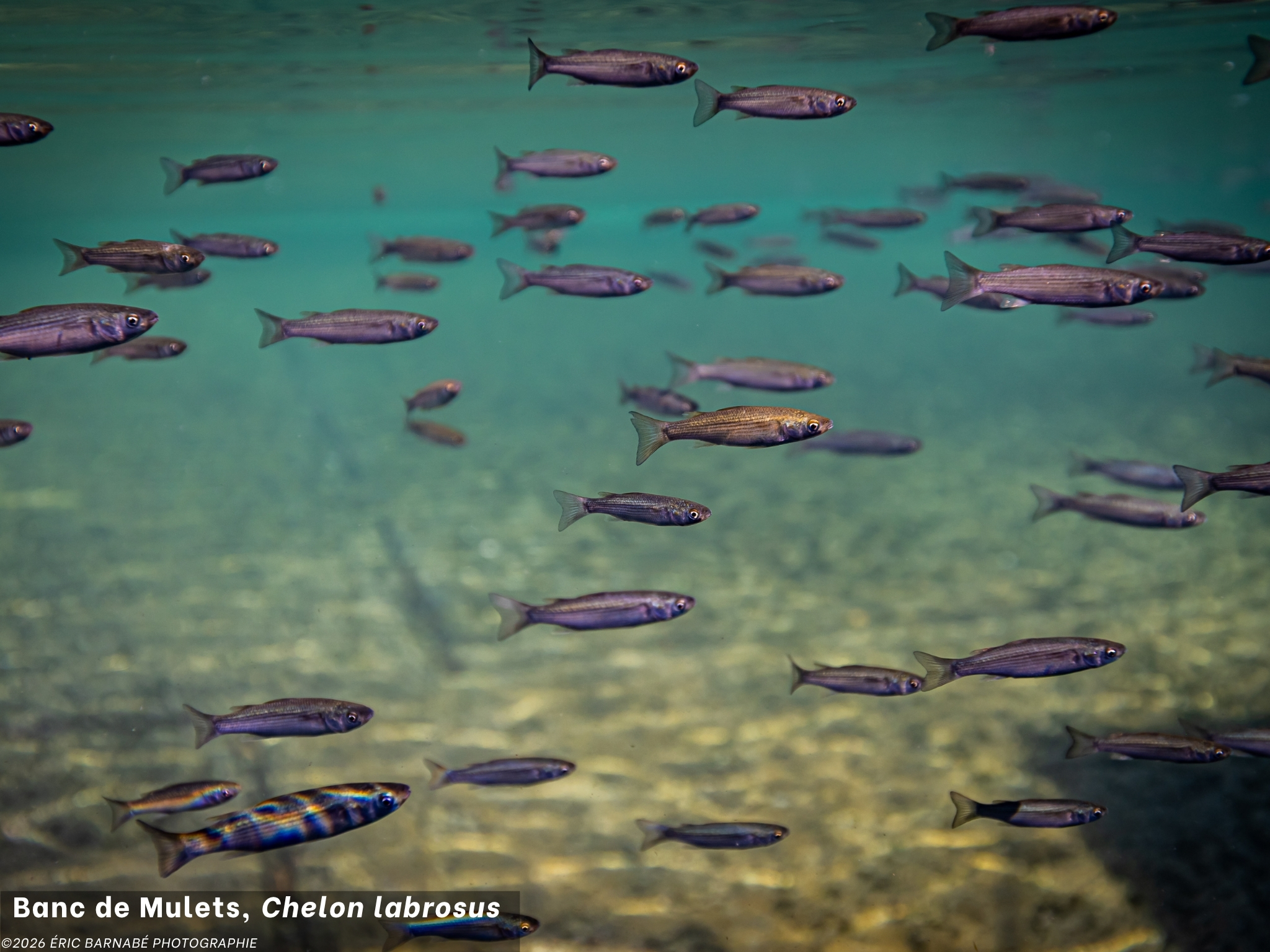
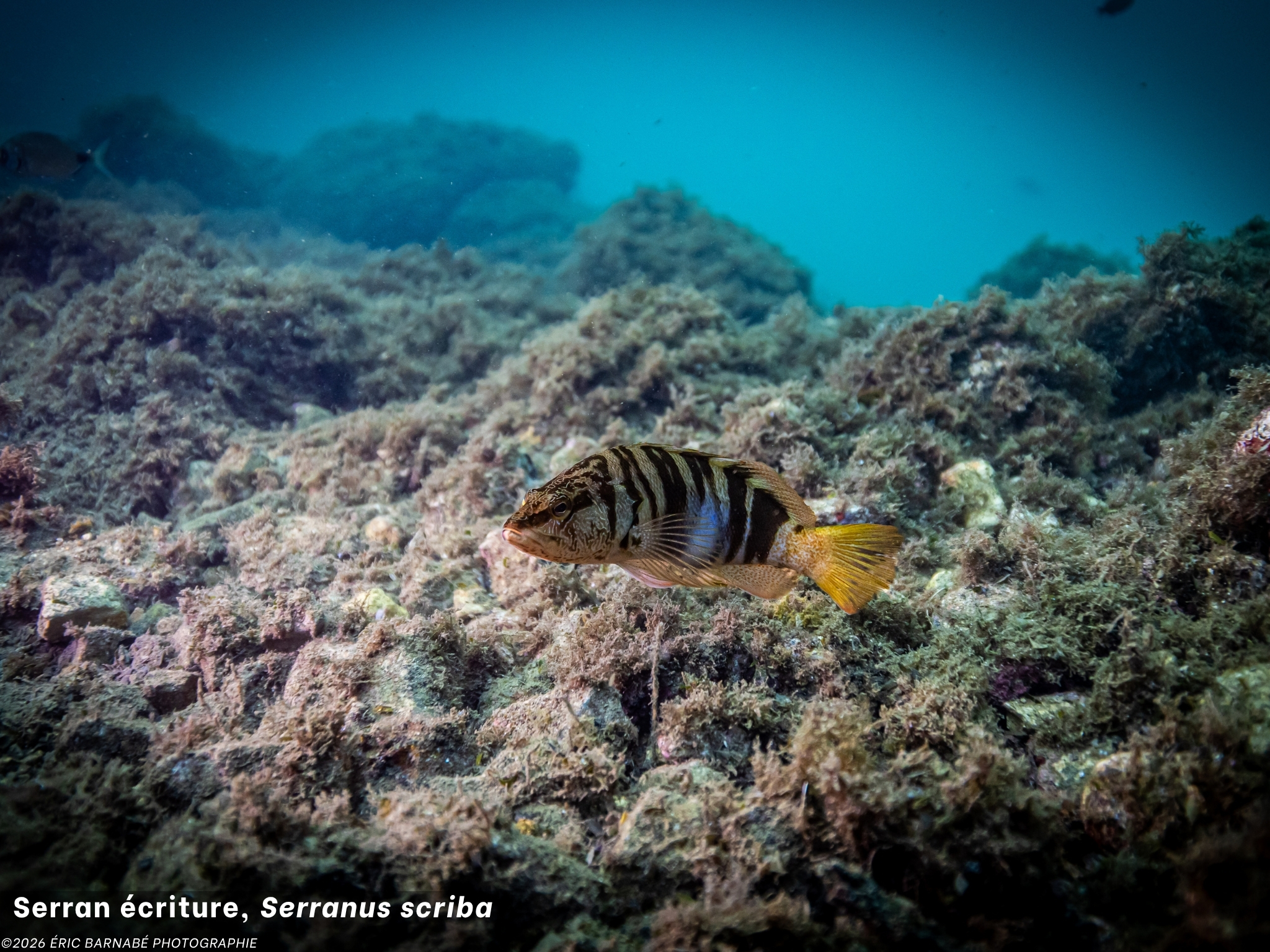
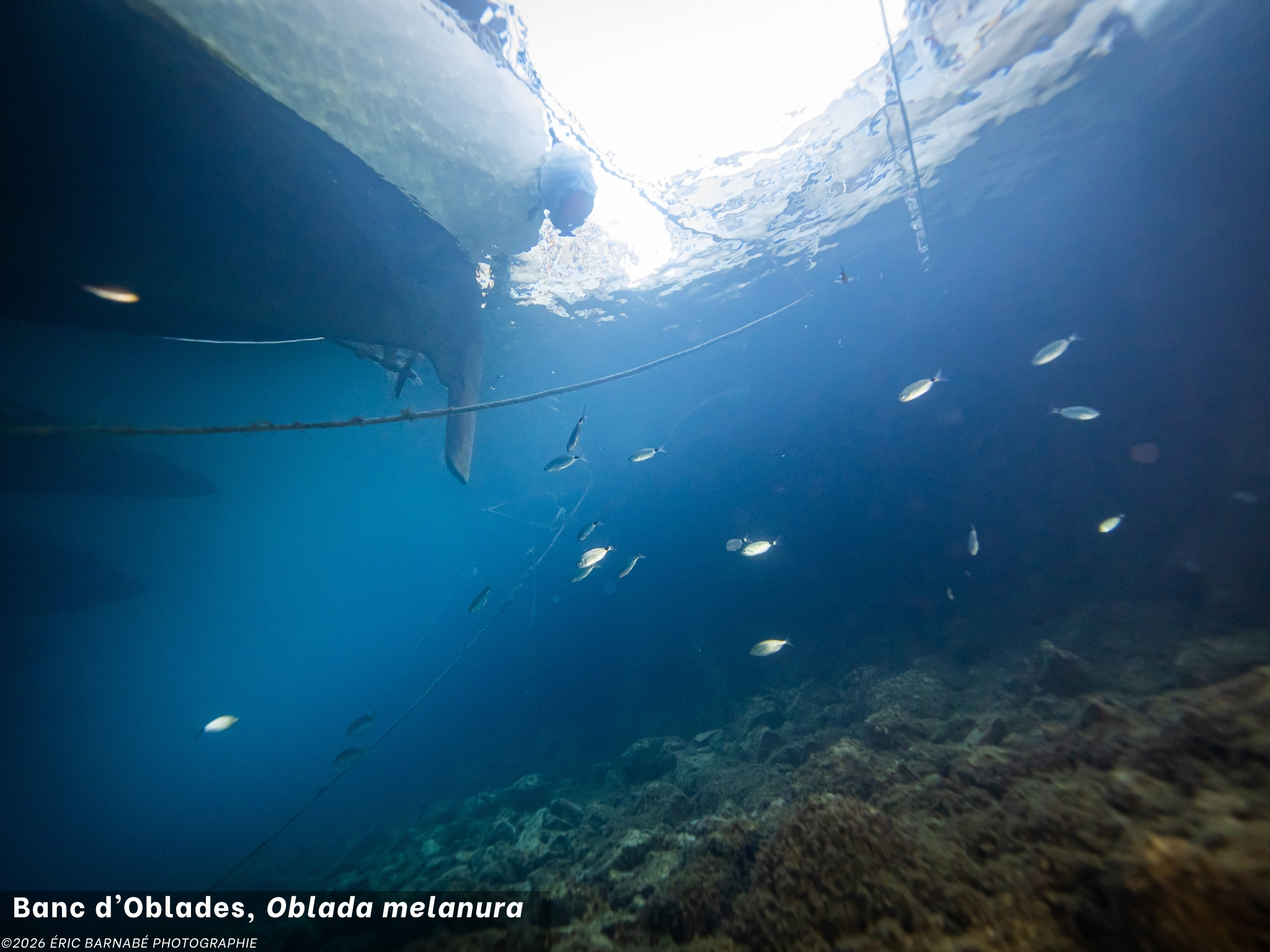
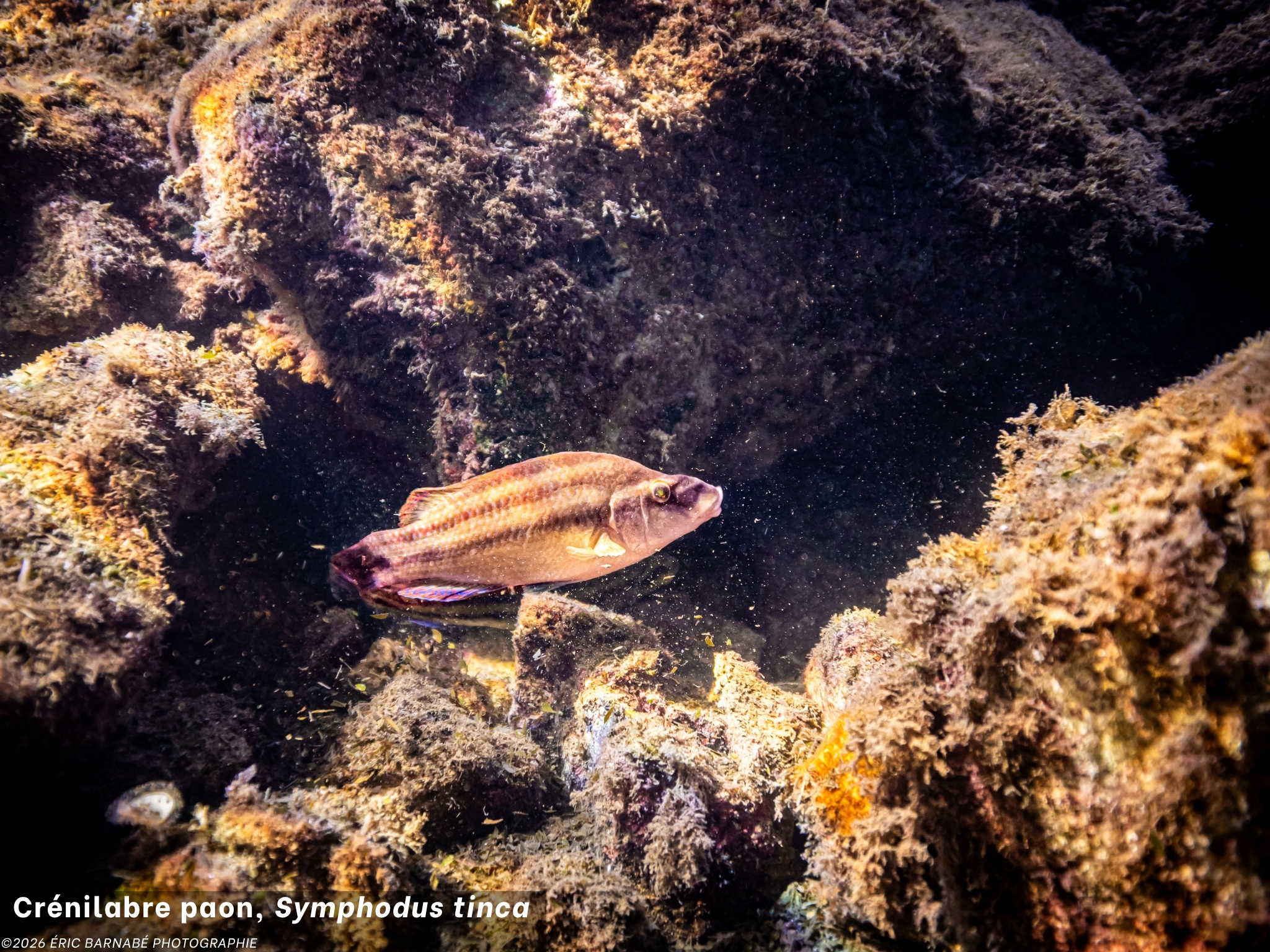
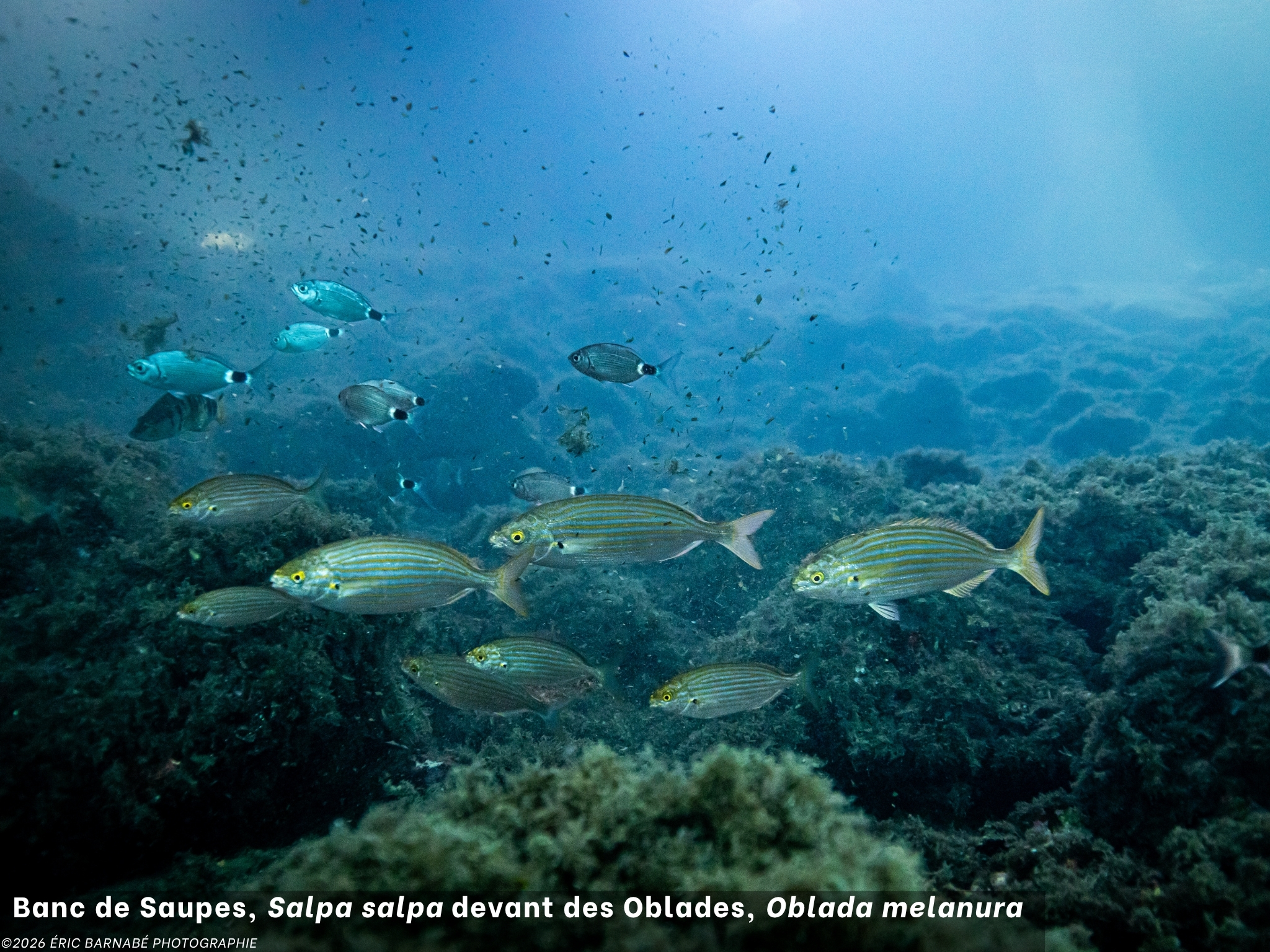
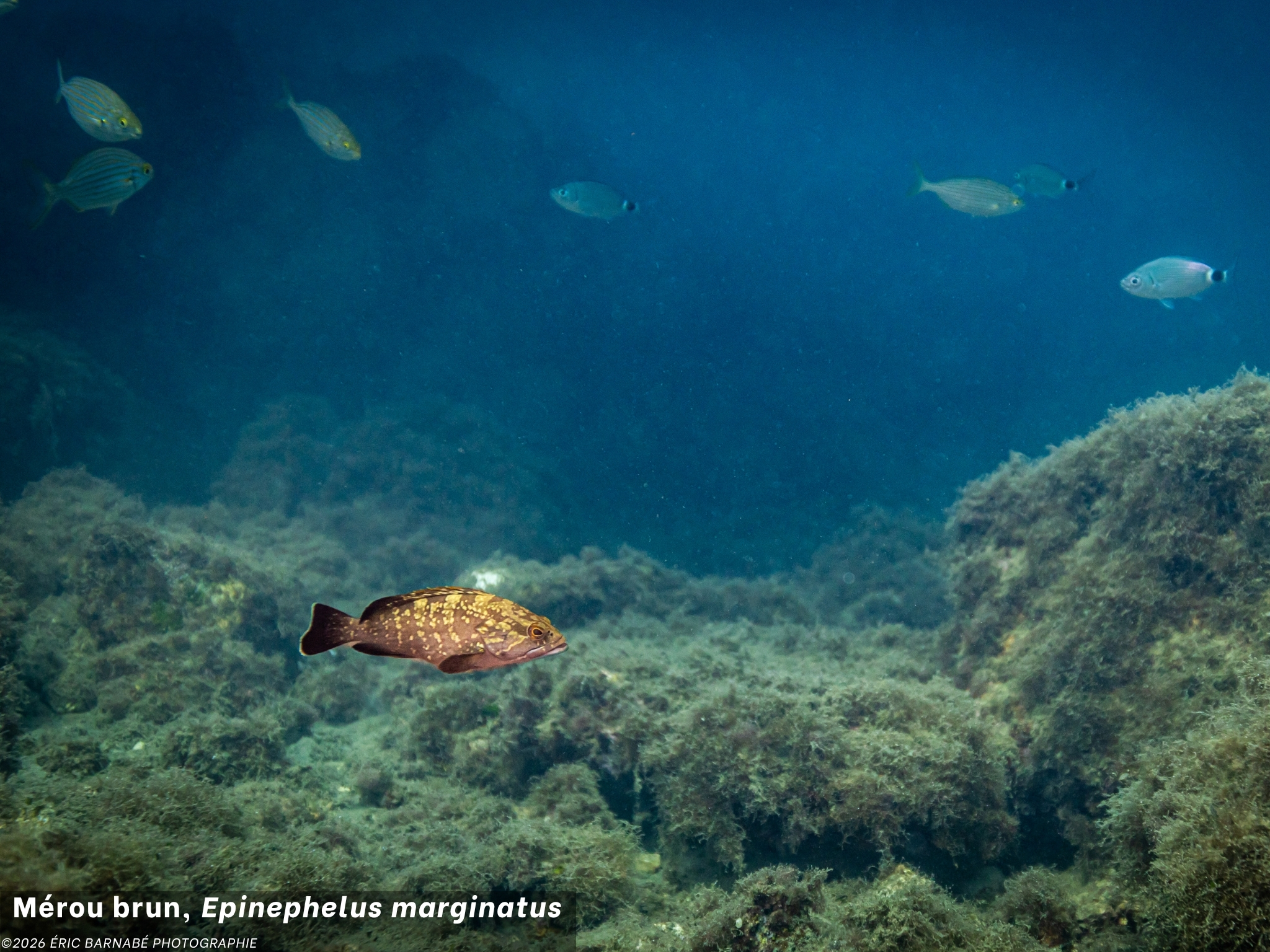
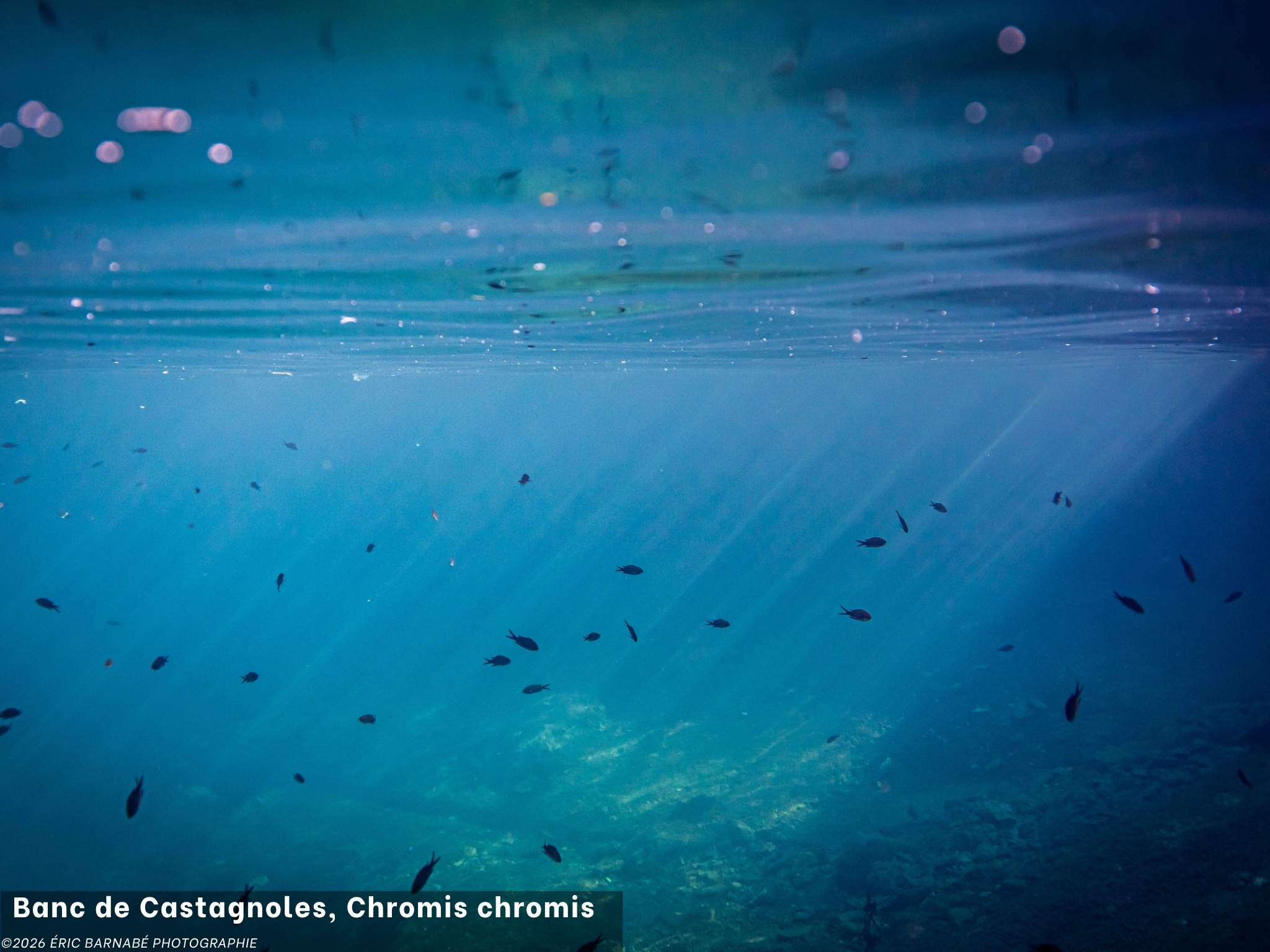
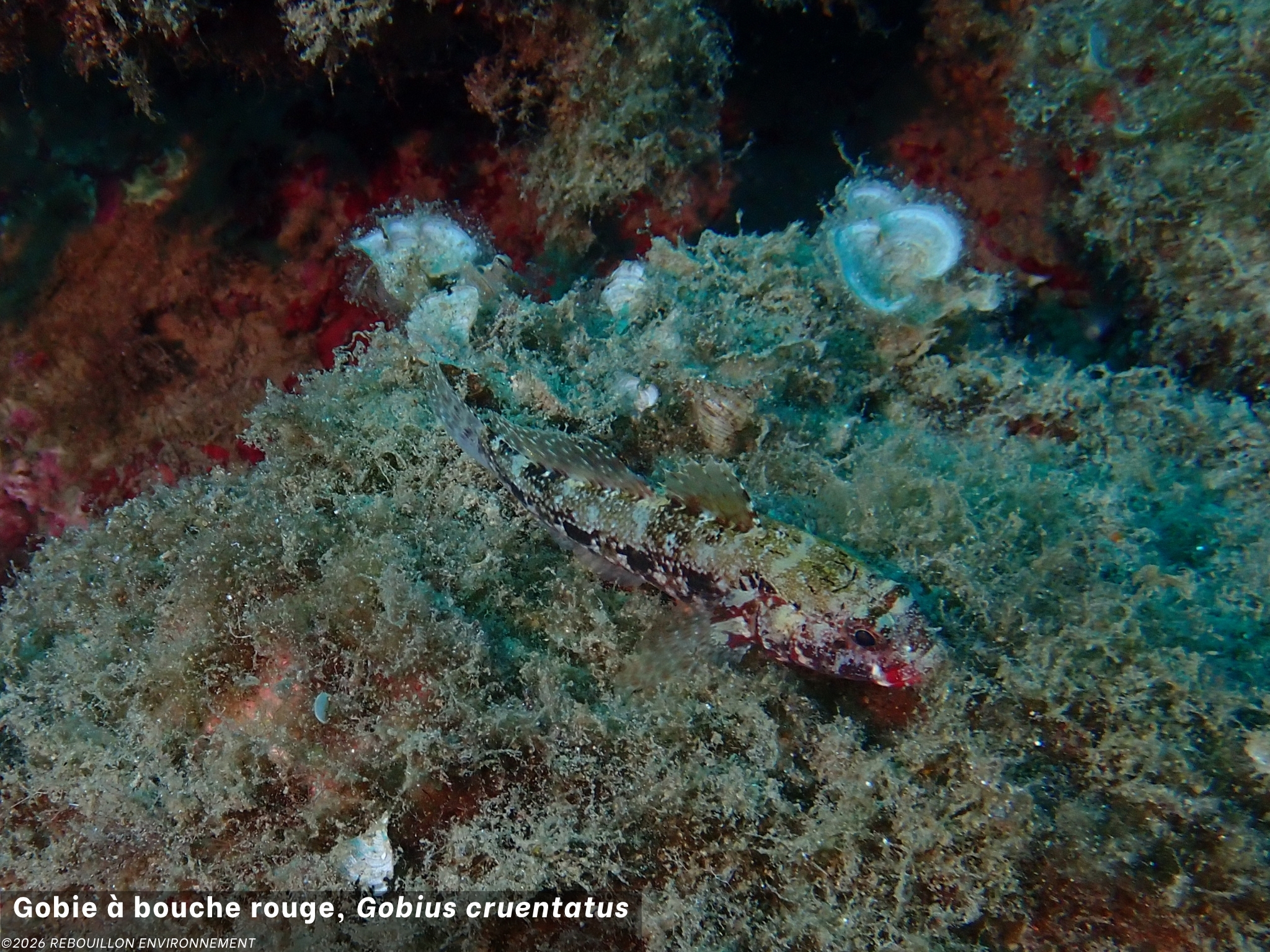
The port’s faithful fish are becoming more numerous every year. They are present throughout the year, with varying abundance depending on the season.


You will find, in french, all the adult fish species in the booklet below, as well as a scientific article explaining their distribution and the presence of biodiversity within the port.

You will also find, in french, the species fact sheets for our four heritage fish species. These species hold particular value for the natural heritage of the Mediterranean coastline, and it is important to protect them.

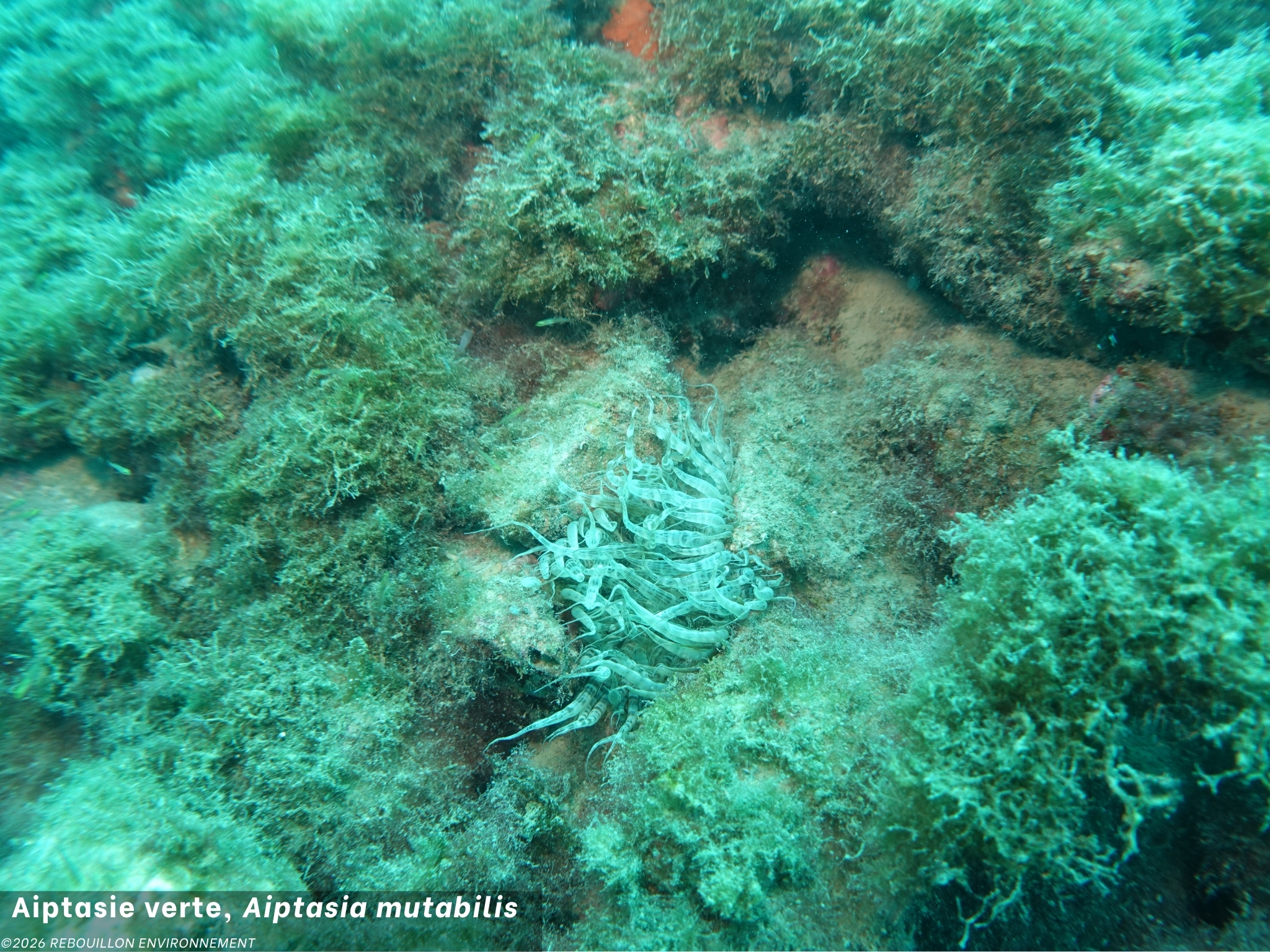
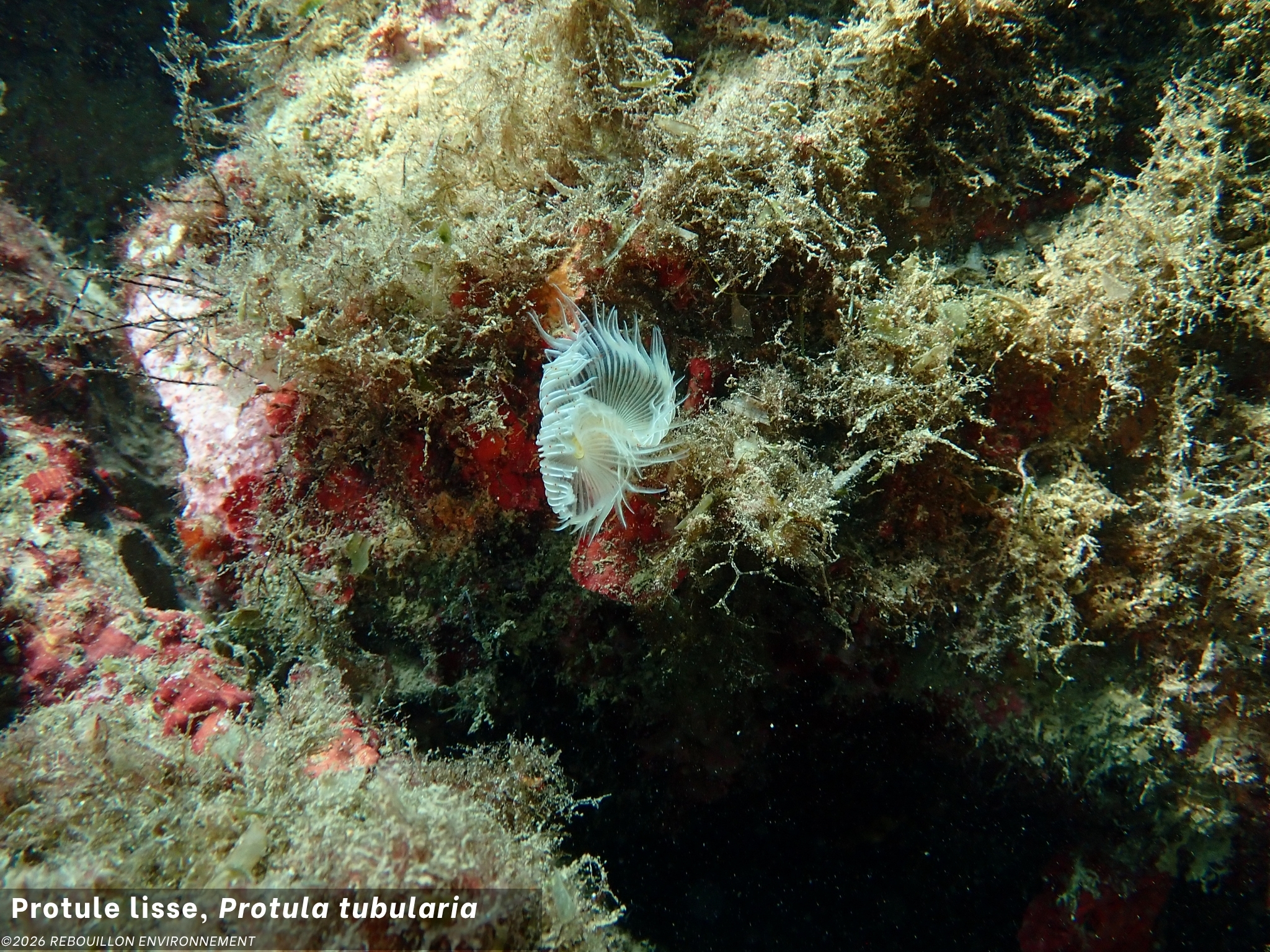
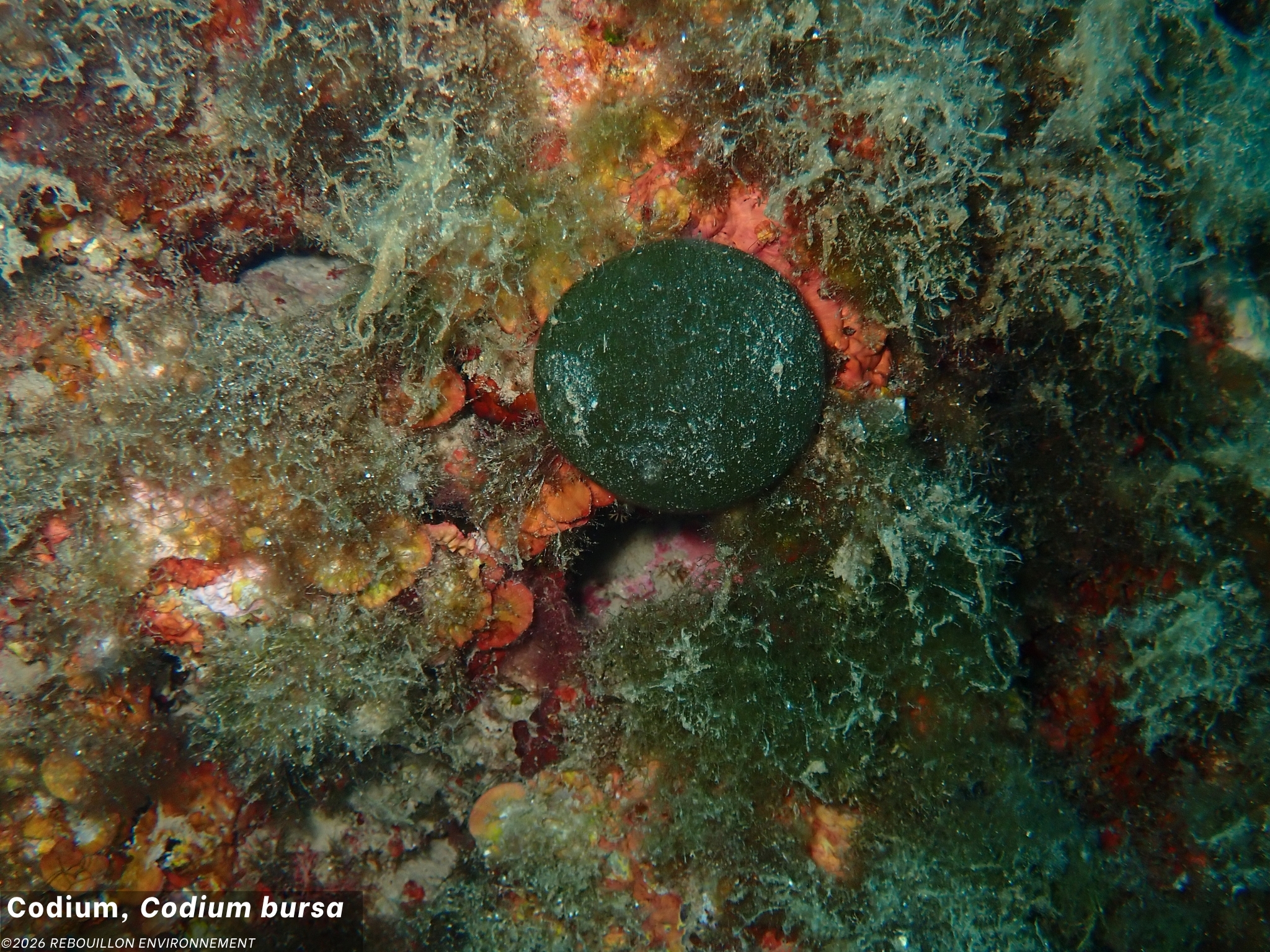
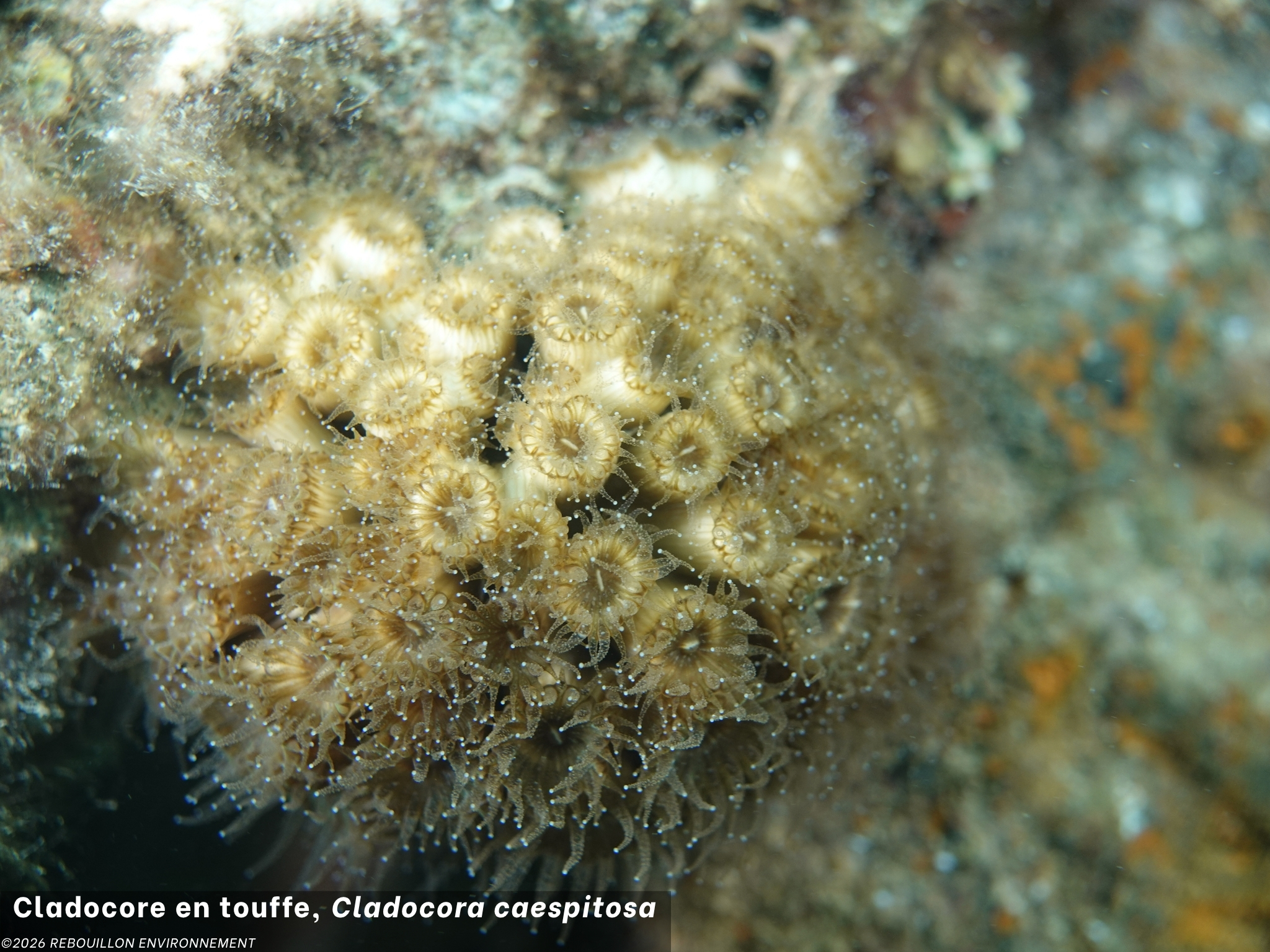
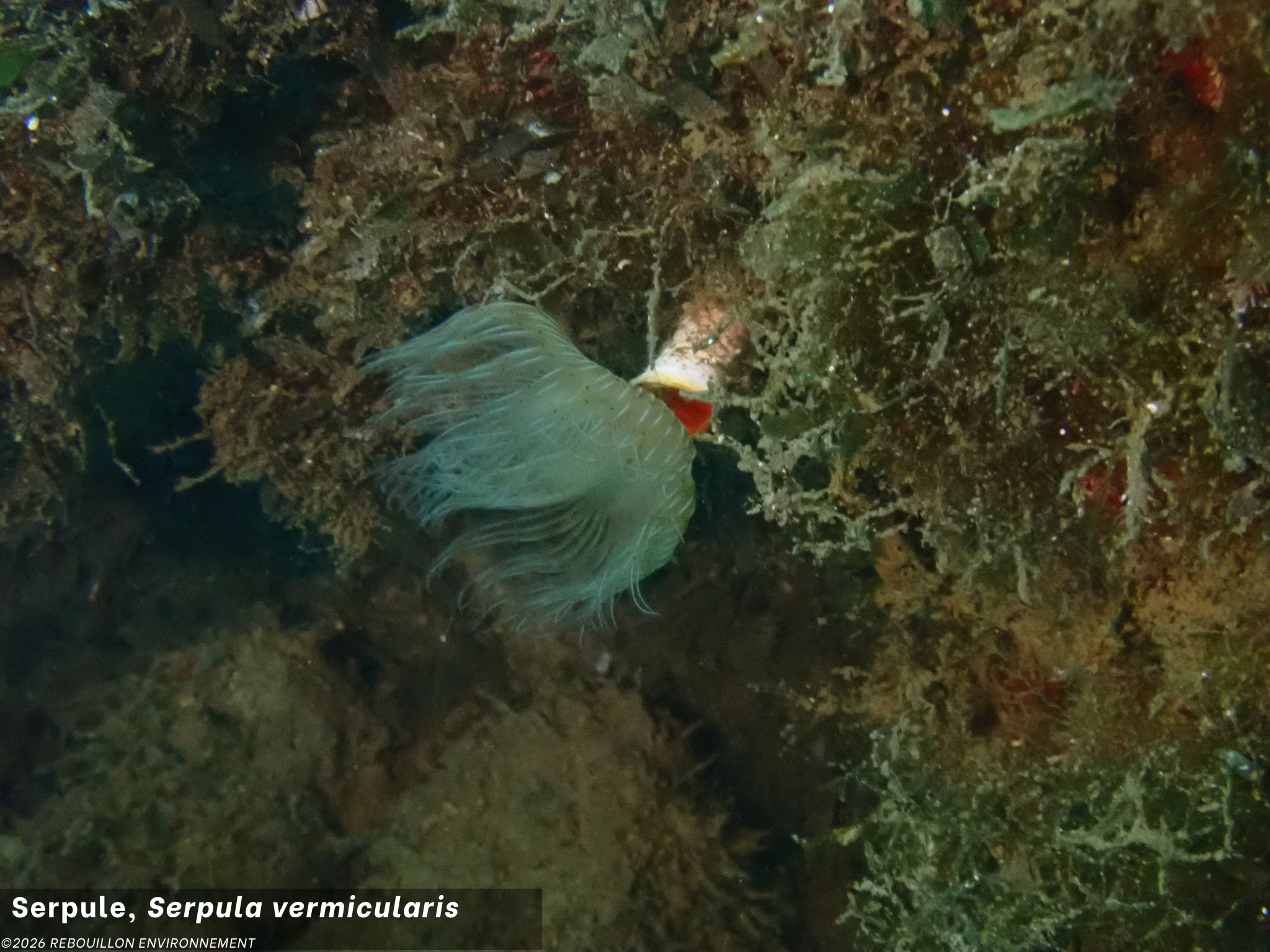
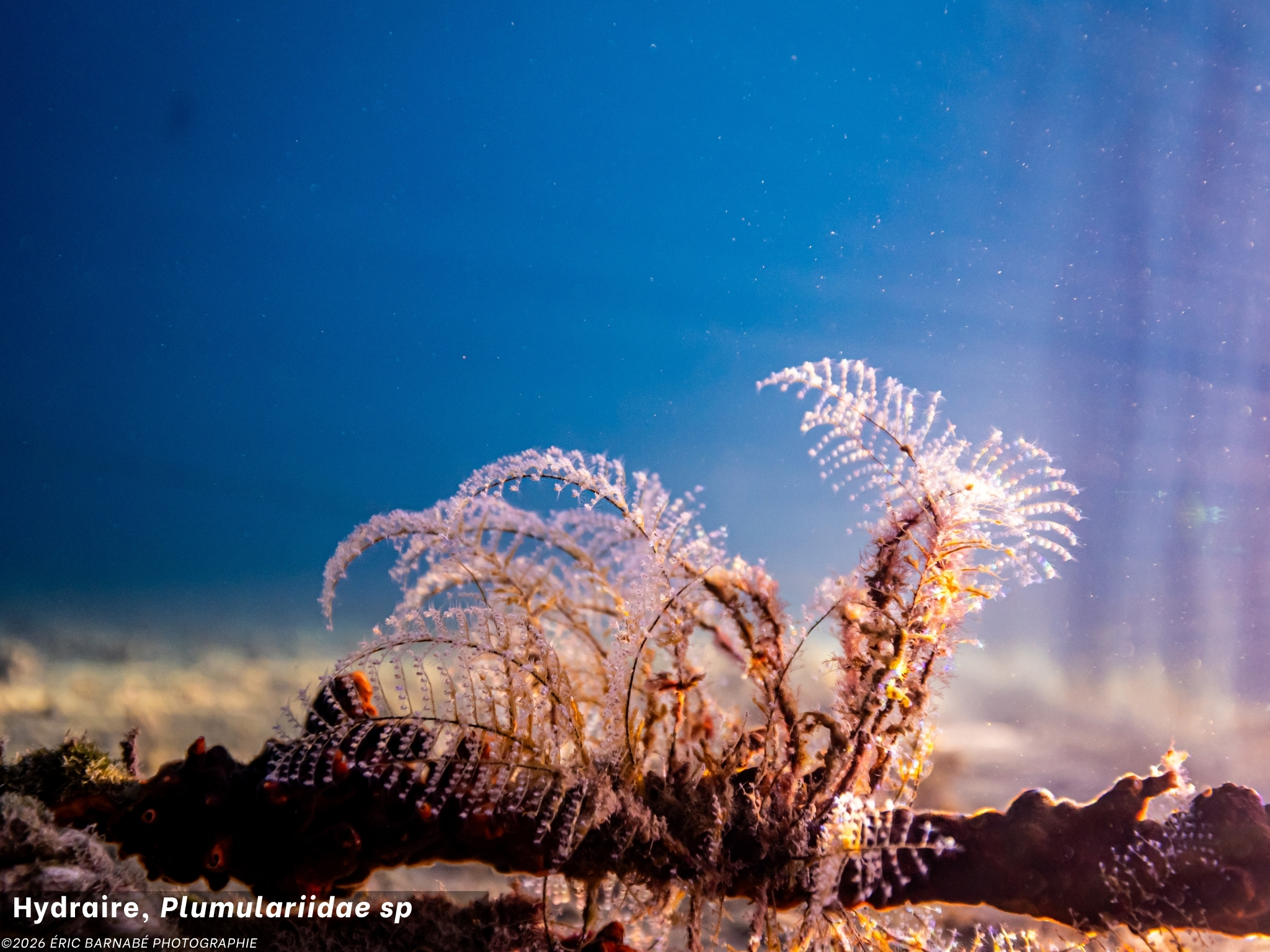
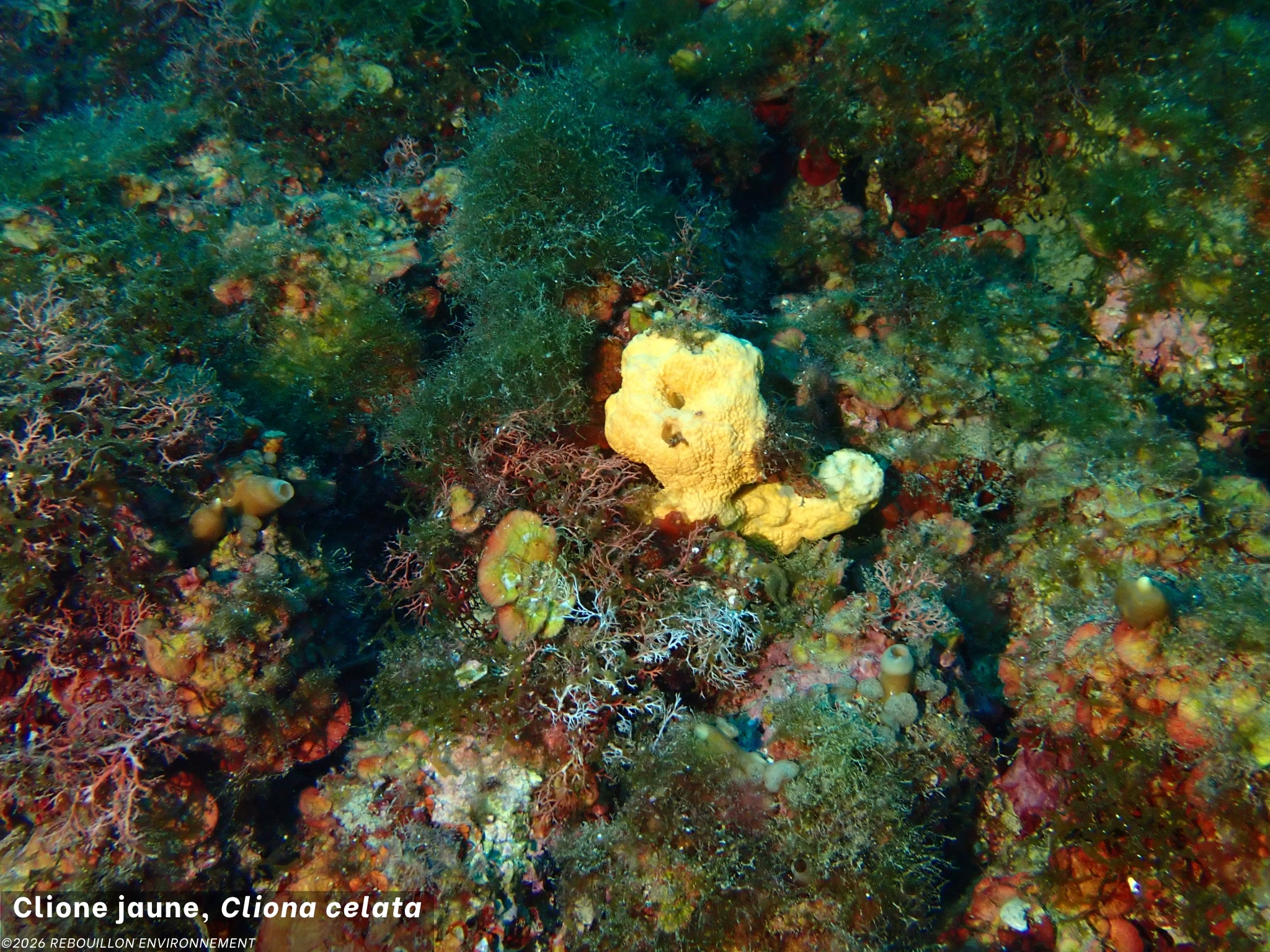
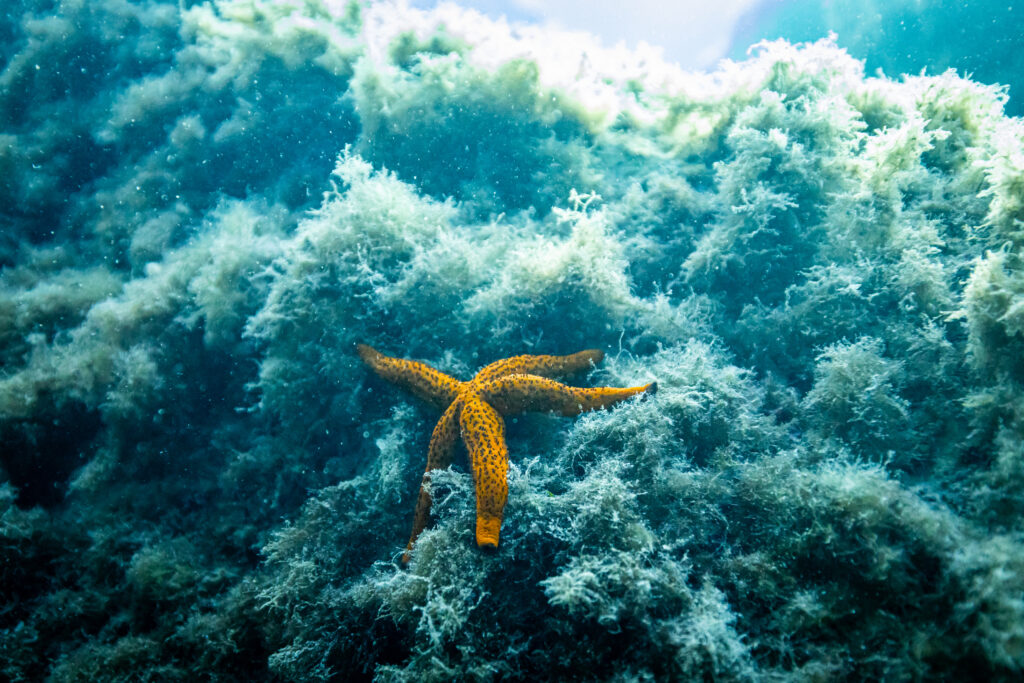
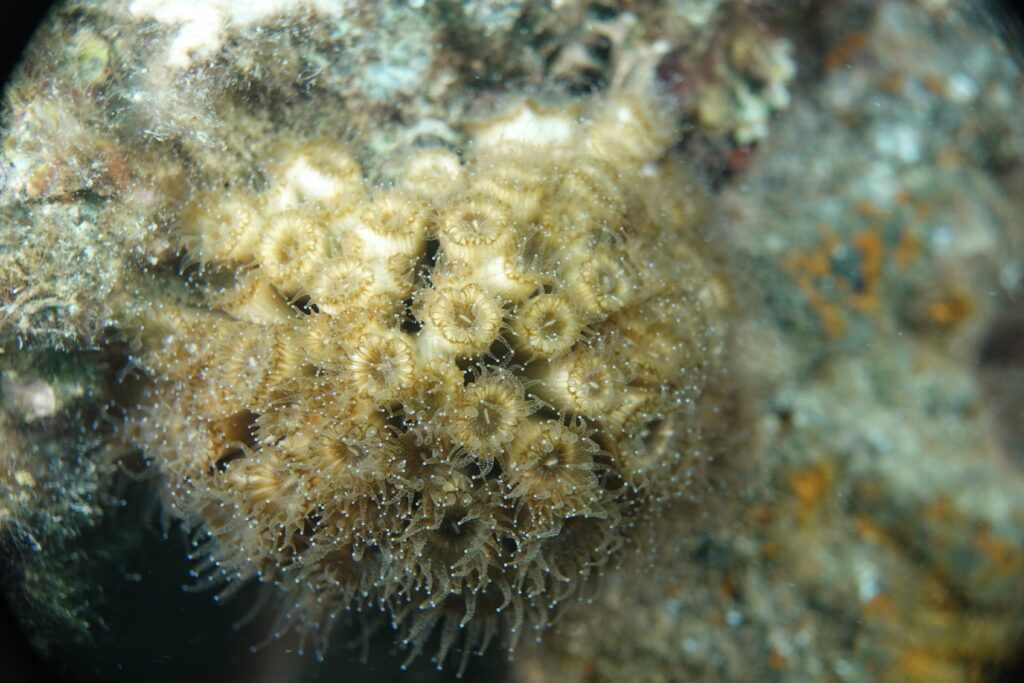
The sessile fauna and flora are also very important for the biodiversity of the Port of Cap d’Ail. We find a protected and endemic coral species, found exclusively in the Mediterranean: the Tufted cauliflower coral (Cladocora caespitosa), shown below. It must therefore be protected!

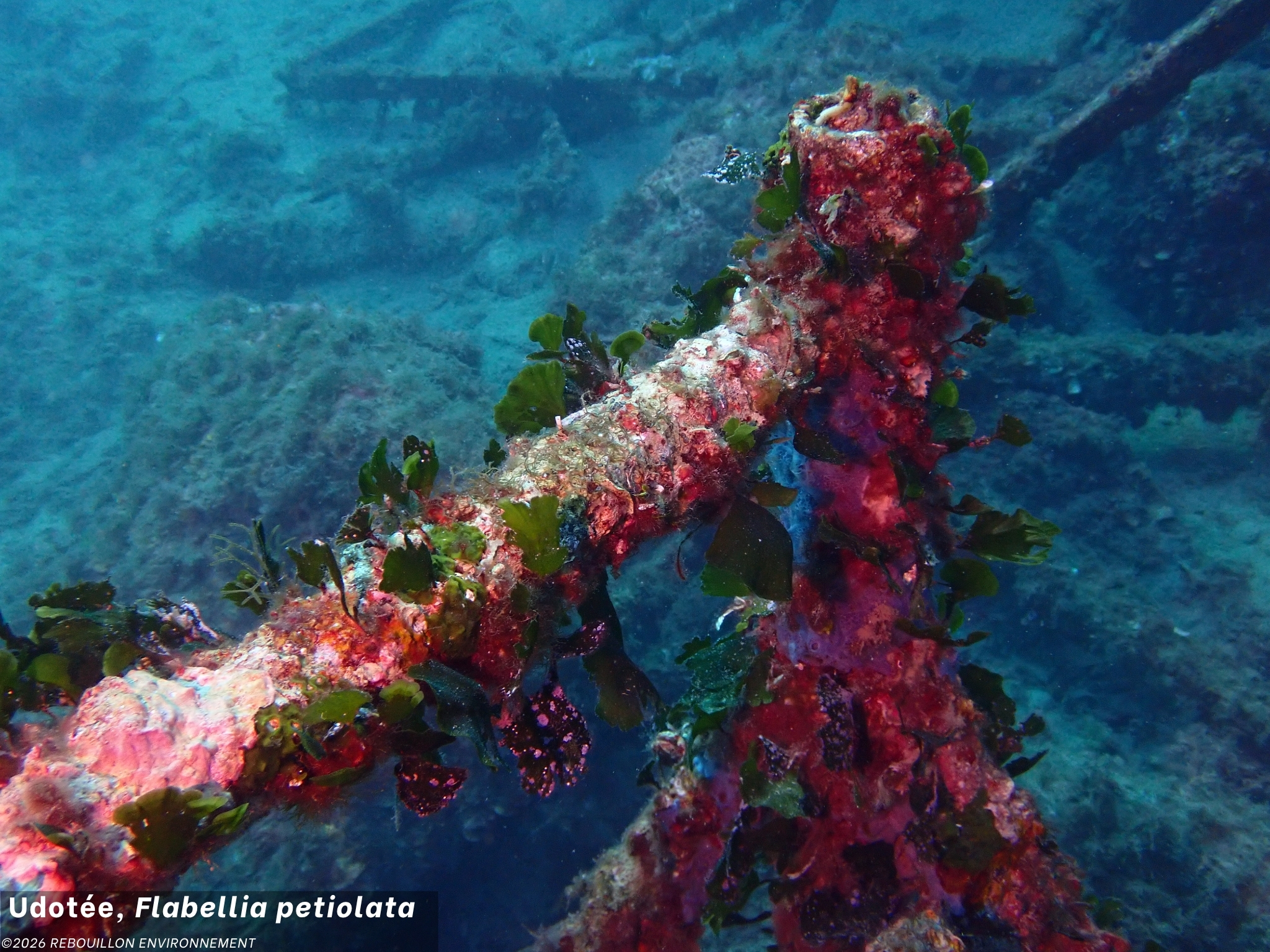
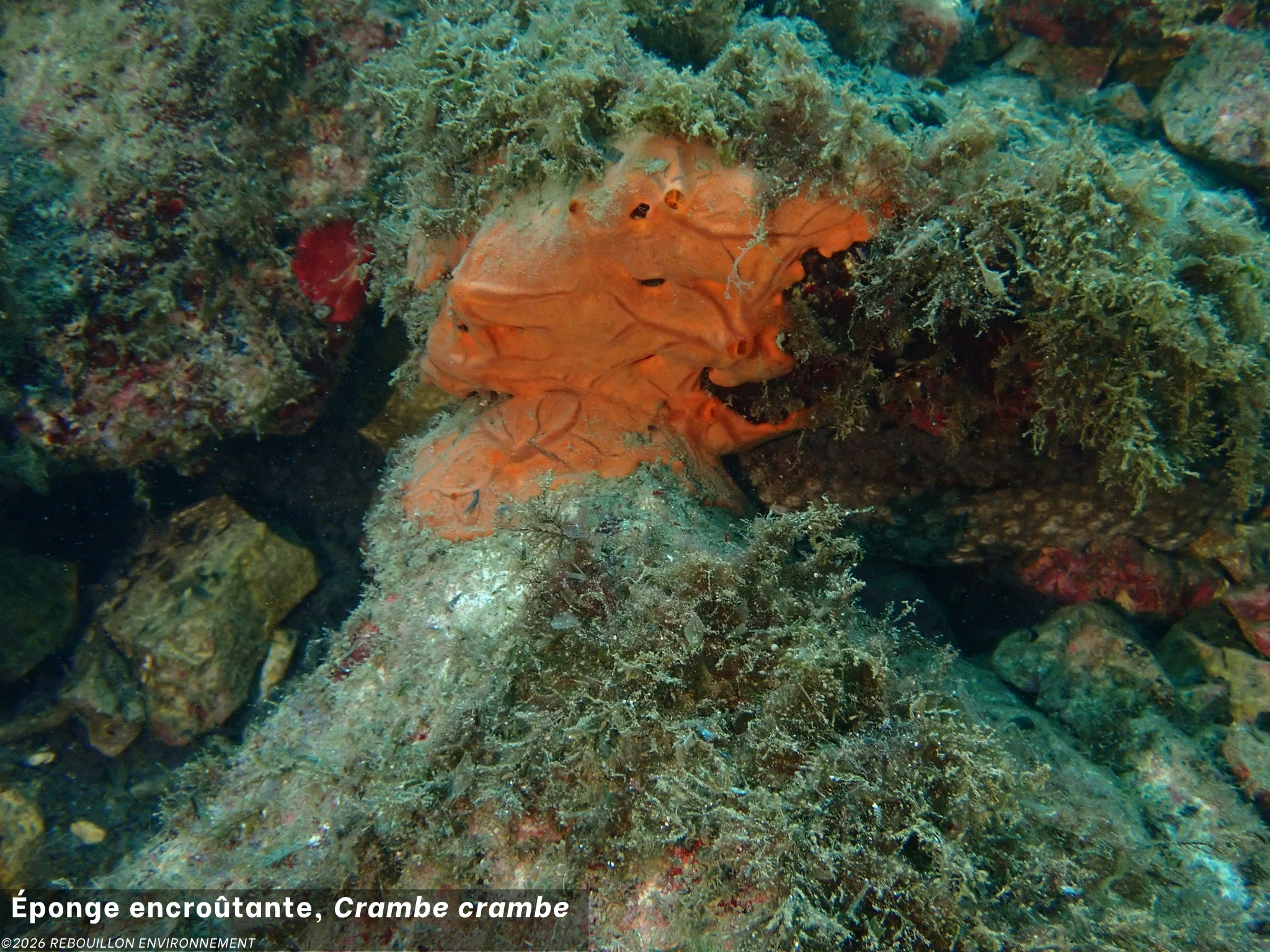
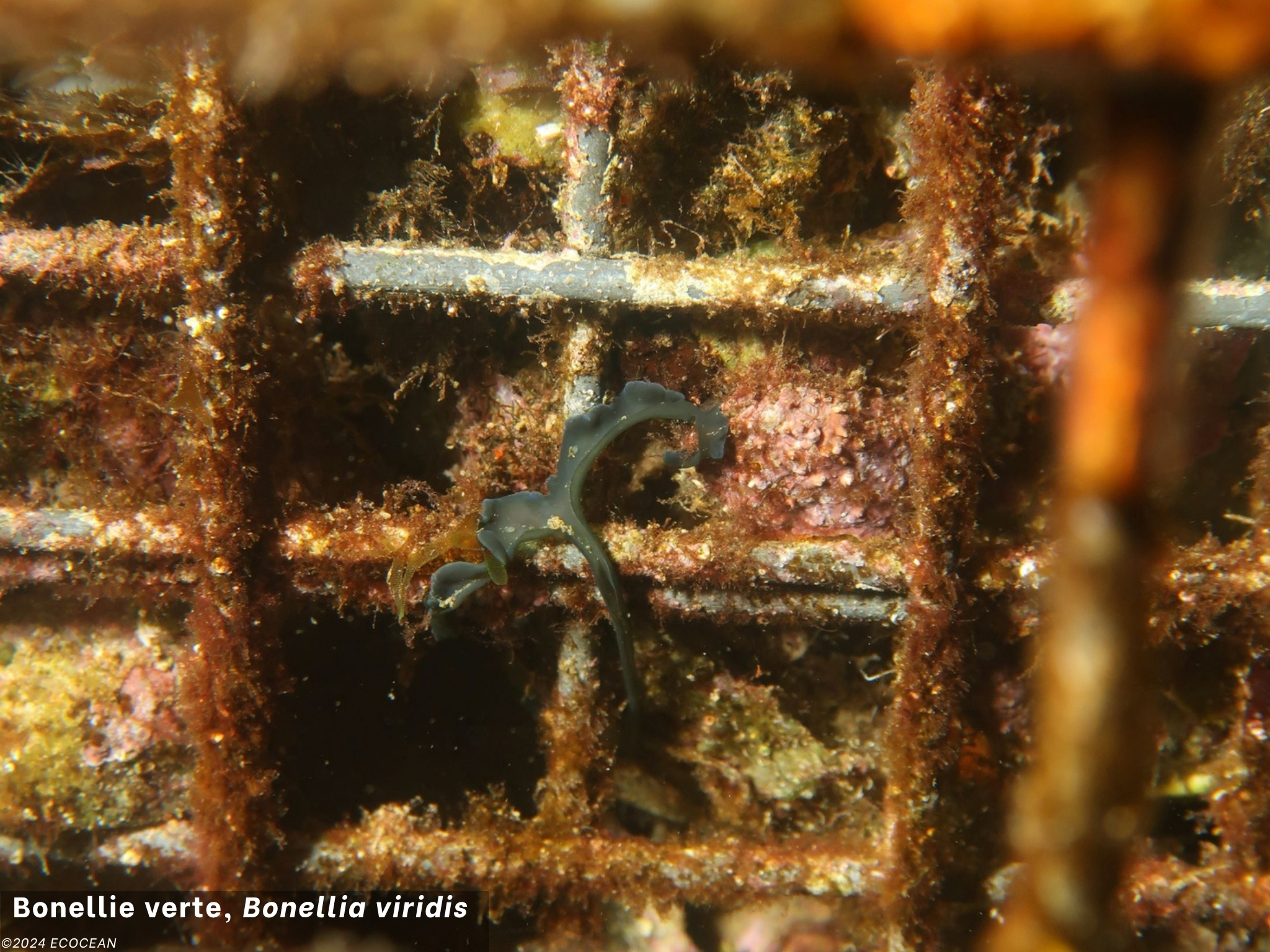
You will find, in french, all the species of sessile fauna and flora in the booklets below, as well as a scientific article explaining their distribution and the presence of biodiversity within the port:


2. The wings of the port

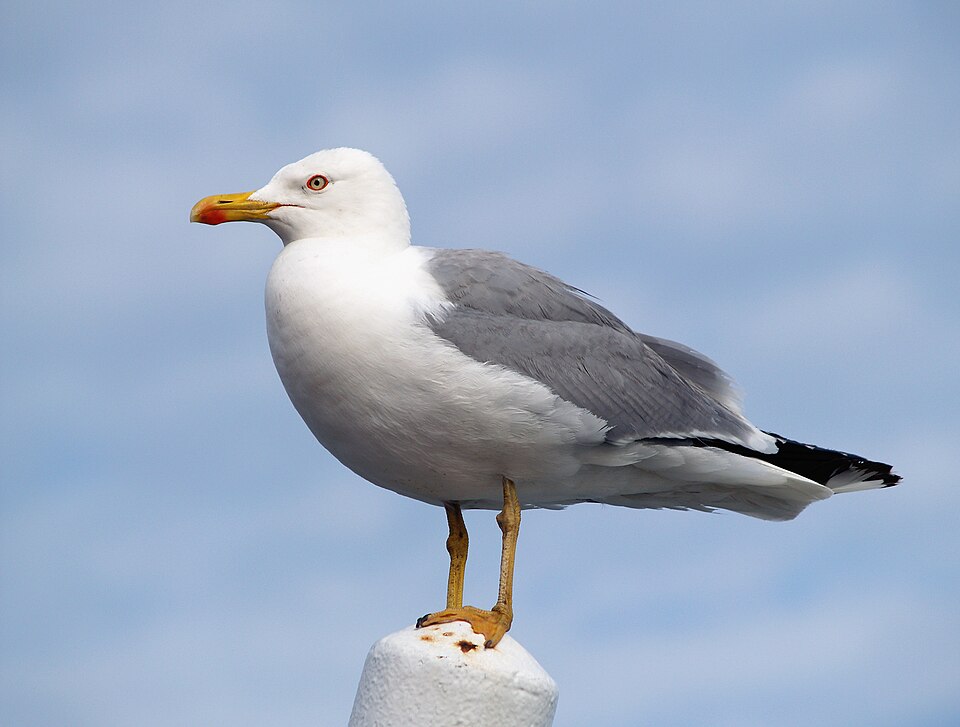
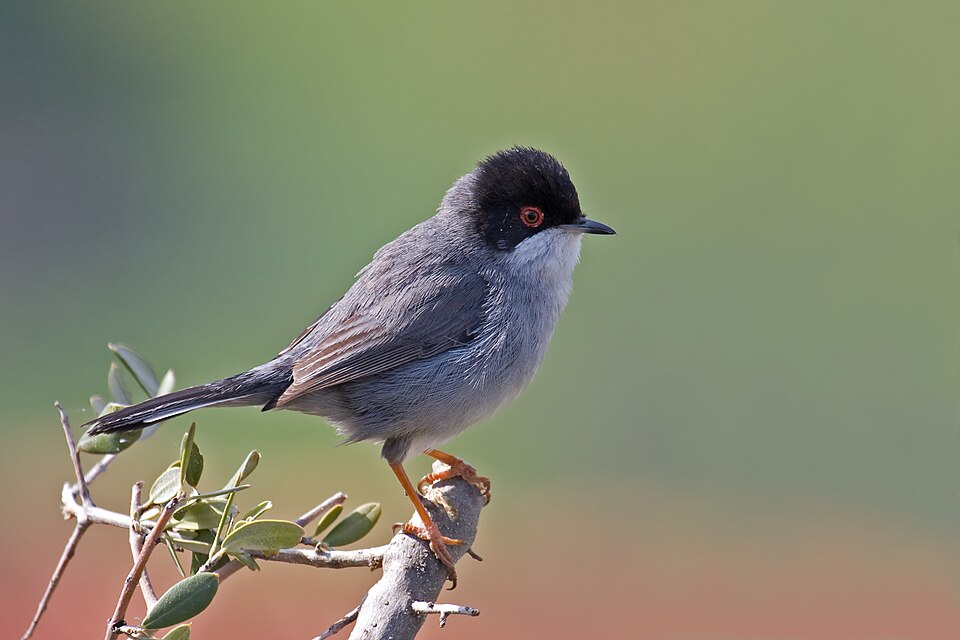
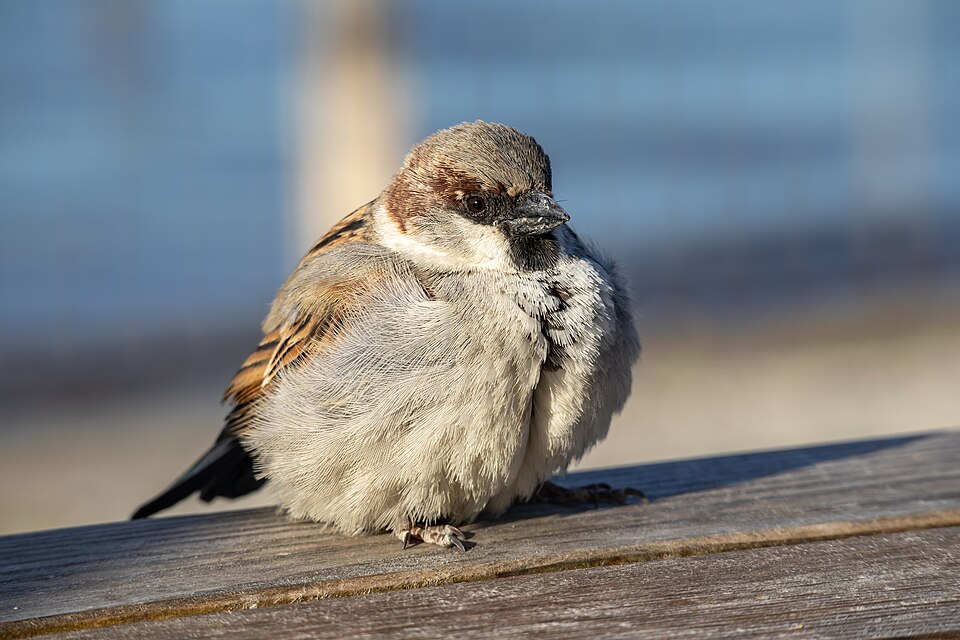
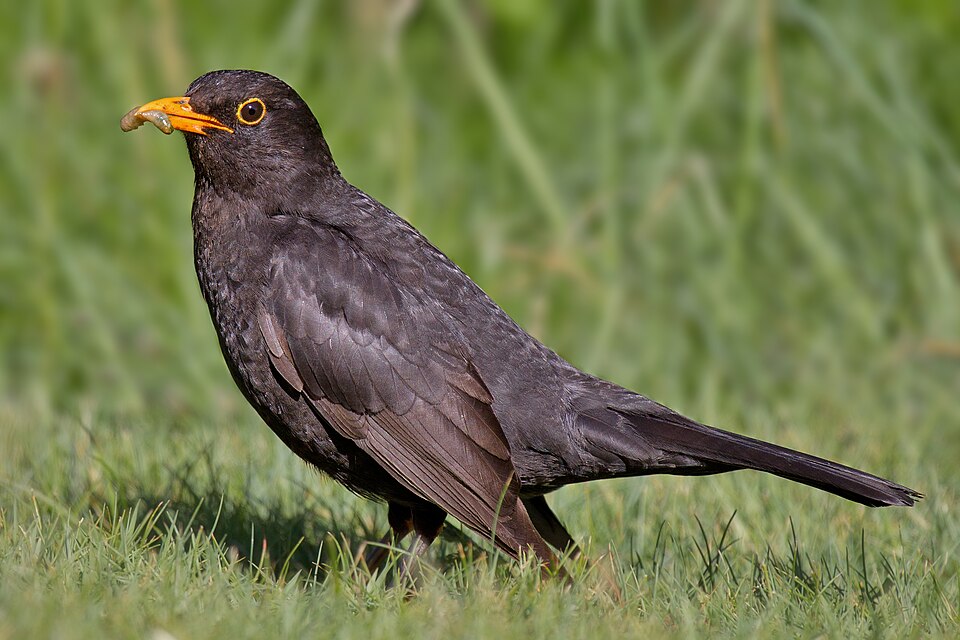
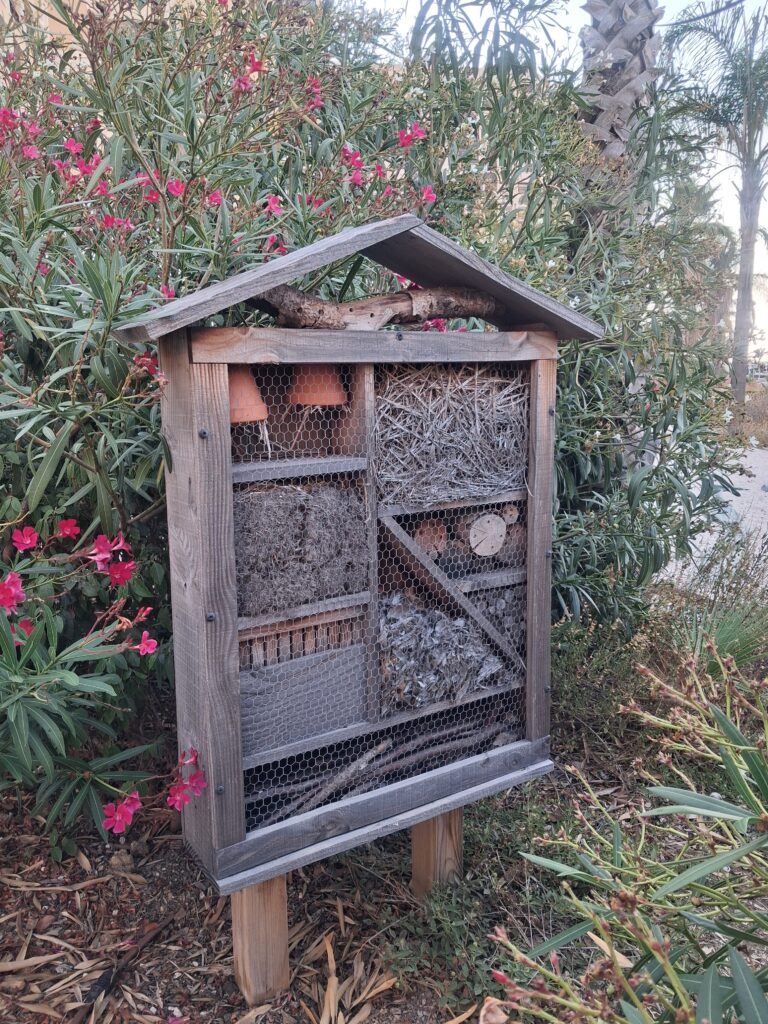
The port is home not only to underwater species, but also to a variety of bird species! A total of 21 species were recorded by the LPO survey in 2021. An insect hotel has been installed at the entrance to the port. It represents, together with the local terrestrial flora and the juvenile fish in the harbour, a food resource for birds.


Yellow-legged gull

Native species of the Mediterranean

As an opportunistic species, it mainly feeds on fish, crustaceans, molluscs and invertebrates. It has adapted to the availability of human food, so its presence in and around the port directly reflects our habits. Don’t be surprised if it tries to steal your sandwich!

Sardinian warbler

Endemic species of the Mediterranean

Recognizable by its black head, it helps naturally regulate insect populations by feeding on them. Noisy and feisty, it behaves aggressively towards those who cross the boundaries of its territory. The Sardinian warbler is highly active. Its small size certainly doesn’t hold it back!

House sparrow

Native species of the Mediterranean

Known to everyone, the House Sparrow plays an essential role in local biodiversity. Sparrows take dust baths! By rolling around in sand, they clean their feathers and get rid of parasites…

Common blackbird

Native species of the Mediterranean

It helps regulate insect populations and disperse seeds, thereby promoting the regeneration of vegetation. In addition to its own melodious song, it can imitate the sounds of other birds and sometimes even noises from its surroundings, such as an alarm or ringtone!


Insect hotel installed in 2022, providing a food source for birds: